Biohazard Waste Transport: Process & What to Expect
Property-specific walkthroughs for biohazard waste transport: assessment, scope approval, hazard controls, material decisions, documentation, verification, and restoration handoff. Not every phase applies to every incident.
Posts in this category follow a load of biohazard waste from the storage room to the treatment site. They describe what a driver checks before accepting containers and how shipping papers are filled out and signed. They cover how long treatment papers usually take to come back. They also explain what happens when a pickup is rushed after a cleanup job or an accident at a facility. Other posts explain what to do in the hours before an urgent pickup. That includes gathering boxes in one place, securing the storage area, and pulling out past shipping records. You will also read about how long a typical route stop lasts. And you will learn why the storage room should be unlocked and cleared before the truck arrives.
Get an email reply about biohazard waste transport
Send a short message to the follow-up inbox. A coordinator can reply by email. This form does not send emergency help; call 911 first if anyone is in danger.
Knowing the steps helps you spot where things can go wrong. A box that looks fine to your staff may be refused for a damaged lid, a missing label, or a liner that is too full. That leaves waste on site longer than planned. When you know what the driver and the treatment site expect, you can prepare containers correctly. You can schedule pickups before storage fills up. You can also notice when paperwork that should have come back is missing and needs follow-up. These posts also explain how to keep a simple pickup log. The log pairs each shipping paper with its returned treatment record. It becomes the first thing you reach for when an auditor, a landlord, or a new hauler asks what left your building and where it went.
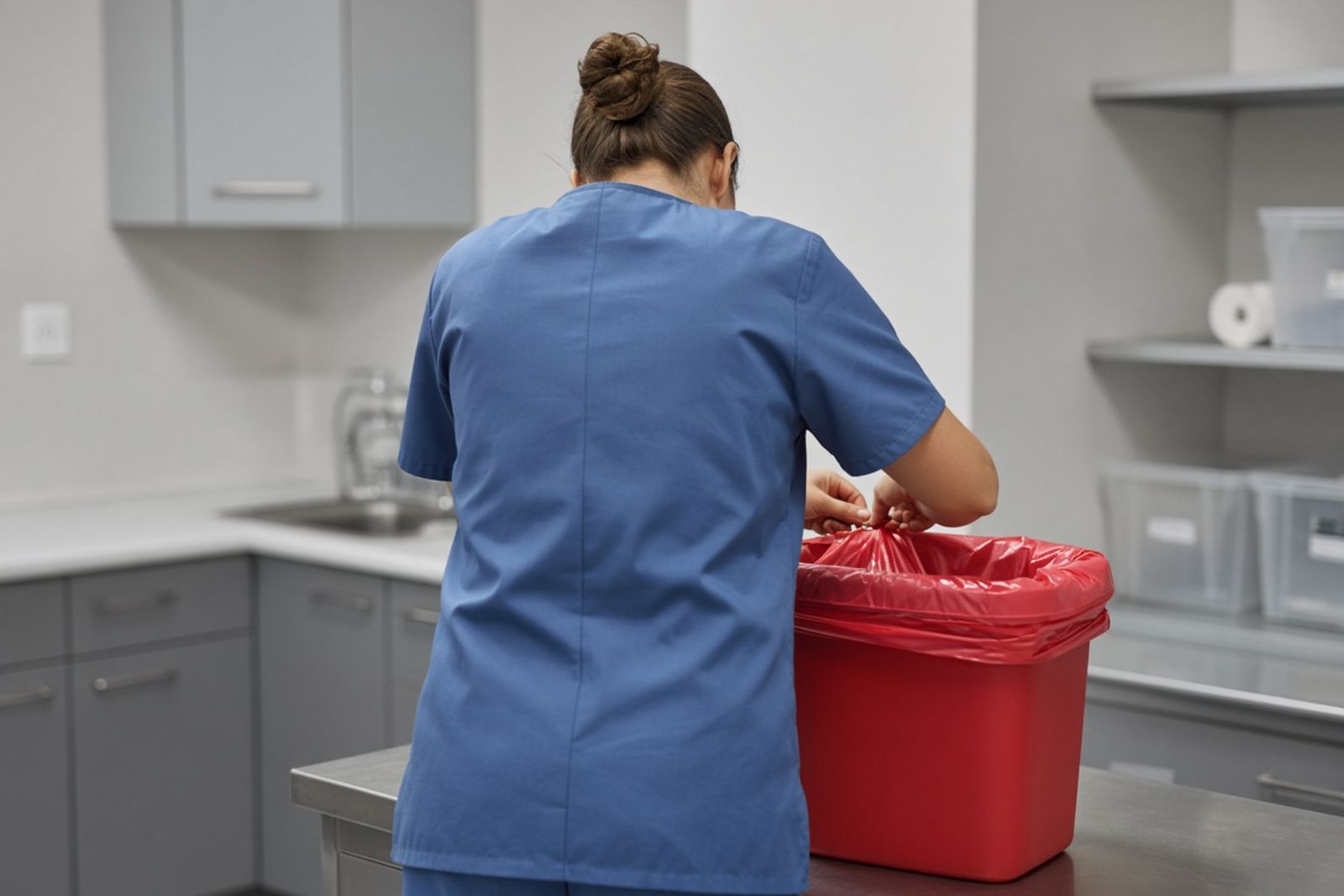
What to Expect During Professional Biohazard Waste Transport
From onboarding and containers to pickup, manifests, and treatment certificates, here is how a licensed medical waste transporter handles your waste.
Expect professional biohazard waste transport to start with onboarding: the hauler reviews your waste types, supplies approved containers, and sets a schedule. At each pickup, the driver checks packaging and labels, you sign a manifest or shipping paper, and the waste travels to a permitted treatment facility. Afterward you receive proof of treatment to keep in your records.
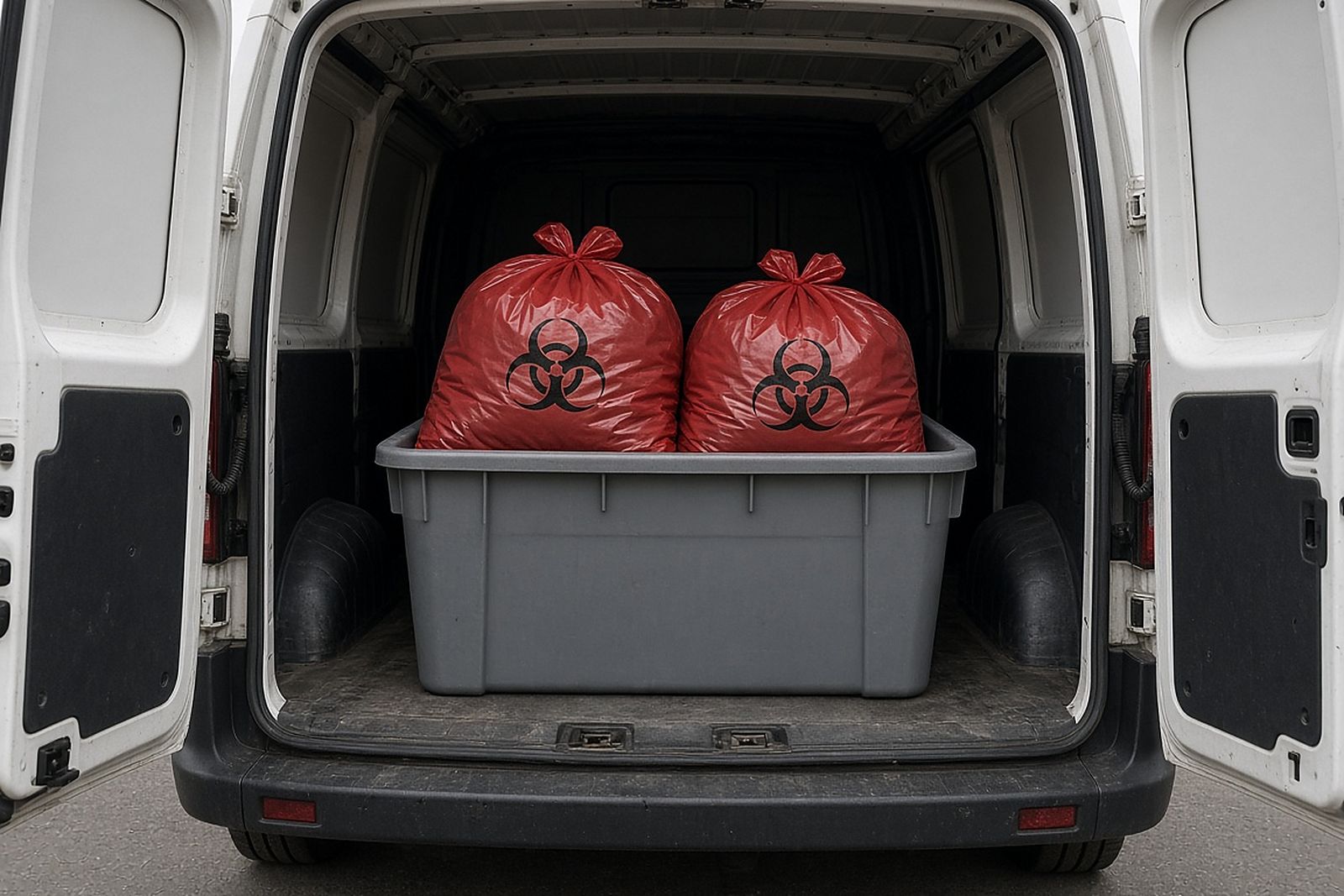
How Long Does Biohazard Waste Transport Take?
From packaging to pickup to treatment, see what shapes each stage of the biohazard waste transport timeline and how storage limits and routes affect scheduling.
Biohazard waste transport runs through several stages: packaging on site, a scheduled or on-call pickup, transit to a transfer station or treatment facility, and treatment itself. Routine pickups follow a set route. One-time pickups after a cleanup depend on the transporter's availability, the waste type, and distance to a permitted facility. State storage limits and paperwork also shape how quickly waste must move.
Urgent Biohazard Waste Transport: What to Do Before a Provider Arrives
A missed pickup, a leaking red bag, or a pile of found sharps needs careful handling. Here is how to secure regulated waste until a licensed hauler arrives.
When regulated medical waste needs urgent removal, first secure it. Keep people away, contain any leak with absorbent material while wearing gloves, place damaged bags into a new approved container without compressing them, keep sharps in rigid containers, and lock the storage area. Then call your transporter, document what happened, and check your state's storage and reporting rules before the pickup.
Sourced figures on process & what to expect
- 385,000
CDC estimates 385,000 needlestick and other sharps injuries occur each year among hospital-based healthcare personnel, about 1,000 per day.
Read with care: Older estimate; excludes injuries in clinics, nursing homes and EMS.
Source: CDC (2008)United States hospital-based healthcare personnel
- 157.4 per 10,000
Janitors and cleaners in private industry had 157.4 nonfatal injuries and illnesses involving days away from work per 10,000 full-time workers in 2019.
Read with care: Counts only cases with days away from work and does not isolate injuries from chemical or biohazard exposure.
Source: BLS (2019)United States, private industry, janitors and cleaners except maids and housekeeping cleaners
- 24–48 hours
EPA advises drying water-damaged areas and items within 24 to 48 hours to prevent mold growth.
Read with care: The window is shorter in warm, humid conditions.
Source: US EPA (2026)Residential guidance, United States
These figures are public research and agency data, not this network's own job records. Keep each number with its population, year and limits; none of them predicts cost, timing or outcome at a specific property.
What research has found
Findings from published studies of people and properties in situations like this one. They describe what researchers observed in a specific group; they are not predictions for your case.
Frequently finding drug-containing syringes was associated with higher adjusted injury odds.
The city difference persisted after statistical adjustment, but does not isolate programme causality.
Process & What to Expect: common questions
What happens if the driver refuses one of our containers?
The driver will usually explain why the container cannot be accepted. The reason might be a damaged box, a missing label, or a container that is too full. Ask for the reason in writing if you can. Fix the problem and schedule a return pickup. Keep the refused container in secure storage in the meantime. Review your packing routine so the same problem does not happen again.
How long should it take for treatment paperwork to come back?
Timing depends on the hauler, the treatment site, and any state rules for returning records. Ask your hauler what to expect and how you will get the papers. They may come by mail, by email, or through an online portal. If papers for a pickup have not arrived in the expected time, follow up quickly. Note the date you asked.
Should someone from our office be present during every pickup?
It is a good habit. A staff member can confirm container counts and check that the paperwork matches what is leaving. They can sign the shipping papers and keep your copy. Leaving boxes alone at a back door invites tampering, wrong counts, and complaints. If you cannot be there, set up a secure handoff plan with the hauler.
What happens to our waste between pickup and treatment?
After the driver signs and loads your containers, the truck usually finishes its route. Then it delivers the waste either straight to a permitted treatment site or to a transfer site. At a transfer site, loads are combined for the next leg. Each stop should be recorded. You will not see these steps. That is why the finished treatment record matters. It confirms the trip ended where it should.
What does a first pickup with a new hauler usually involve?
Expect the driver to take a bit longer than usual. They may confirm your account details, check where containers are stored, look at how you packed them, and explain how they want papers signed. It is a good time to ask questions and confirm the pickup spot for future visits. Have your chosen signer there. Keep the first shipping paper as a model for later pickups.
What should we do with extra waste from an unusually busy week?
Call your hauler as soon as you see storage filling faster than normal. Ask for extra containers or an added pickup. Do not overfill containers or stack bags outside boxes to stretch space. Keep everything in the secure storage area. If busy weeks keep happening, ask whether your pickup schedule or container sizes should change, so surges do not become emergencies.
What should we do when the hauler reschedules a pickup?
Ask for the new date in writing. Check it against your storage space and any time limit your state sets. If the new date causes a problem, say so right away and ask for another date or extra containers. Note the change in your pickup log. Some rescheduling is normal. But frequent changes are worth raising at your next account review.
Related community polls
Every count is a real visitor vote; nothing is seeded or padded. One vote per poll per device, and you can change your answer.
How does your business get medical waste off site now?
Which part of your waste program is most frustrating?
More on biohazard waste transport
Biohazard Waste Transport services
See how medical waste hauling works, from packing and shipping records to permitted treatment, before you sign with a hauler.
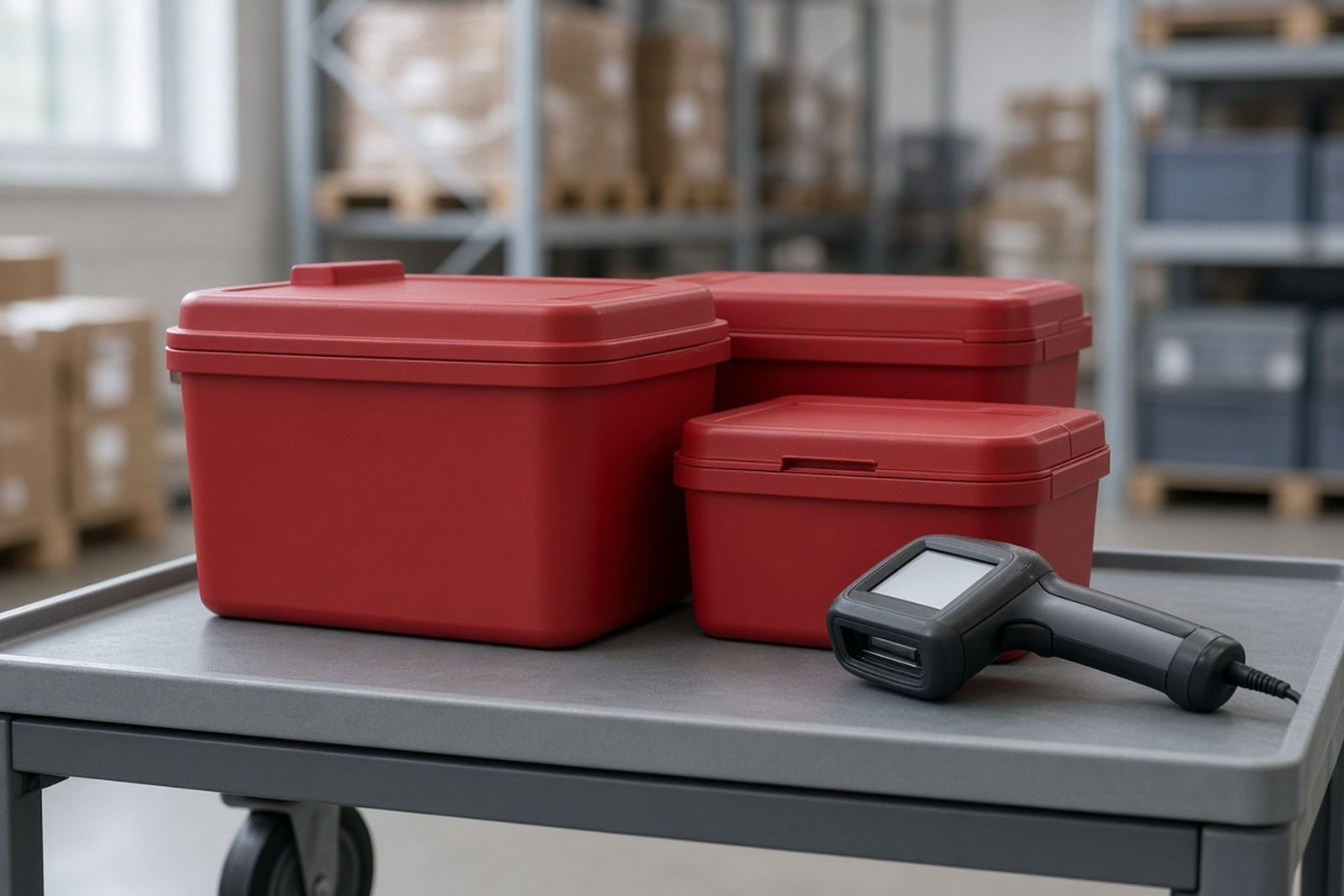
Costs explained
What drives the price, published cost ranges, and how to read a written quote line by line.
Insurance and payment
Which policies may respond, how to document a claim, and what to do if coverage is denied.
Planning tools
Use planners to estimate pickup costs, check haulers, sort waste, and organize records for your medical waste program before you commit.
Community polls
See how other clinics, studios, labs, and property owners handle pickup schedules, paperwork, and hauler choices. See where opinions differ from the written rules.
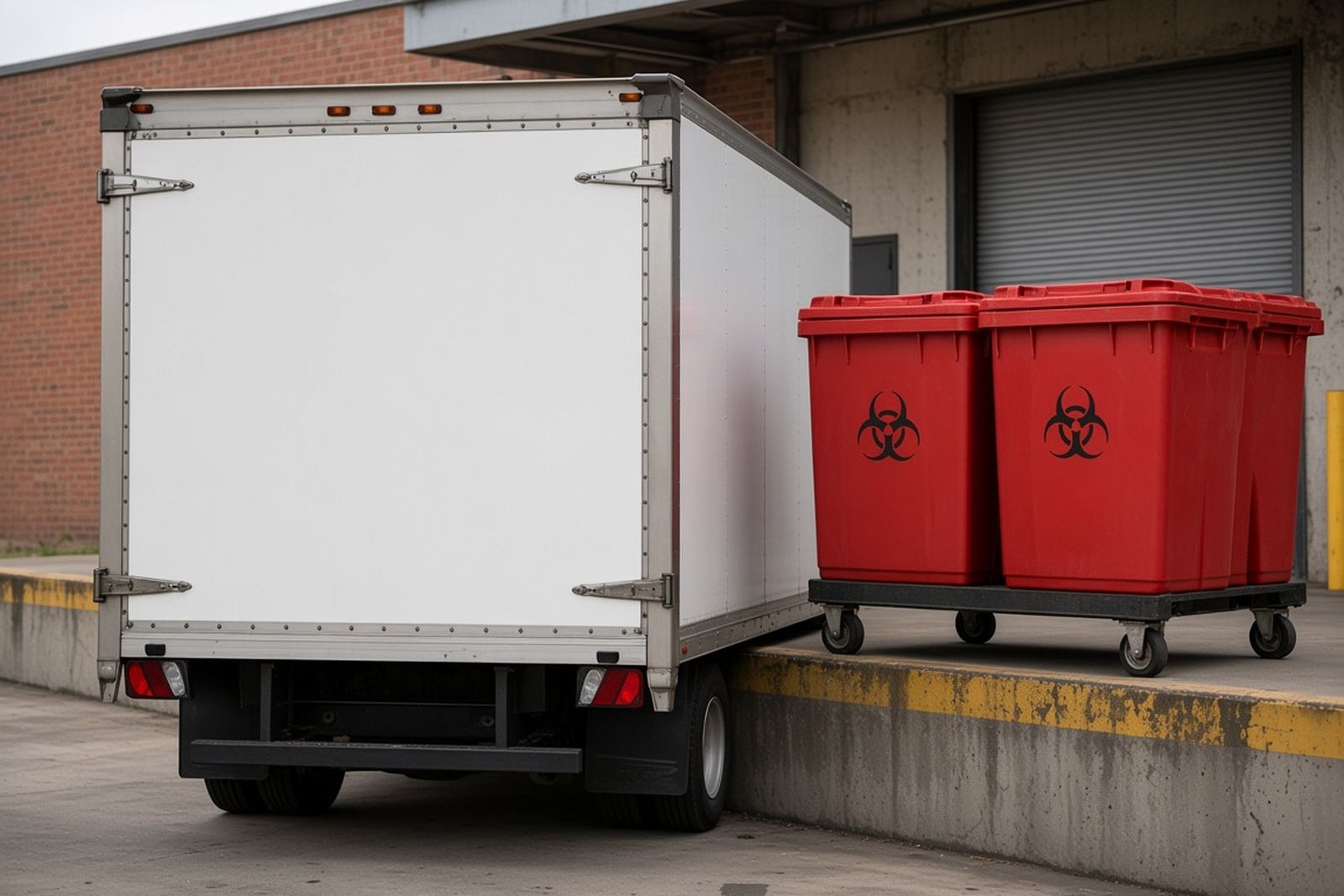
Knowledge quiz
Test what you know about who is responsible, container rules, shipping records, and proof of treatment. Then review the study guide for anything you missed.