Biohazard Waste Transport help in your area
Tell us where you are and what happened.
We do not have city guides for biohazard waste transport yet. Send a short message with your city and what happened, and a coordinator can reply by email with next steps.
Get an email reply about biohazard waste transport
Send a short message to the follow-up inbox. A coordinator can reply by email. This form does not send emergency help; call 911 first if anyone is in danger.
Start with the main guides
The services page and articles explain what to do first, what the cleanup involves, how insurance works, and how to choose a company. Rules differ by state, so check the details locally.
Not sure where to start?
Send a short message about your situation. Your request is sent to the follow-up inbox. A coordinator can reply by email.
Your request is sent to the follow-up inbox. A coordinator can reply by email.
If anyone is hurt or in danger, call 911 first.
Why location matters for biohazard waste transport
States do most of the work of defining regulated medical waste. So a sharps container or a bag of soaked gauze can face different rules for storage, labels, and hauling, depending on where it was made. Some states require the business that makes the waste to register. Others require only the hauler to hold a permit. Some counties add their own health code rules on top. Federal DOT rules for hazardous materials cover packing and shipping papers once waste moves on public roads. But they do not erase state rules at either end of the trip. Building type matters too. A dental office in a strip mall may share a loading area with a restaurant. A hospital has a dock and a locked holding room. A home where a cleanup just ended may have nowhere secure to keep boxes. In hot climates, odor complaints can start sooner, so waste may not sit as long.
Several offices can shape how biohazard waste leaves your site, and each keeps its own records. The state environmental or health agency usually runs the medical waste program. It issues permits to haulers and treatment sites and can confirm whether a hauler is allowed to operate. The county or city health department often enforces storage rules on site. It also handles complaints about odor, leaking containers, or boxes left outdoors. The federal DOT and its hazardous materials office set the rules for packing, marking, and shipping papers. OSHA's blood safety rule covers how employers protect staff who handle containers. Local fire marshals sometimes have a say in where large containers can sit. If waste will cross a state line, both states' programs may apply. When you are unsure where to begin, ask your state agency which office handles questions from waste-producing businesses at your address.
Checking a hauler's credentials is one of the few waste duties you can finish before anything goes wrong. Ask for the company's state hauler permit. Check it with the agency that issued it, instead of trusting a copy in a sales packet. Ask where your waste will be treated. Then confirm that the site holds a current permit. Ask for a sample waste shipping record, so you can see what you will get for each pickup. Ask how and when treatment or destruction papers come back. Make clear who supplies containers, who packs them, and what happens if a driver refuses a box. Last, ask whether the company hauls the waste itself or passes pickups to another carrier. The name on your contract should match the name on your paperwork.
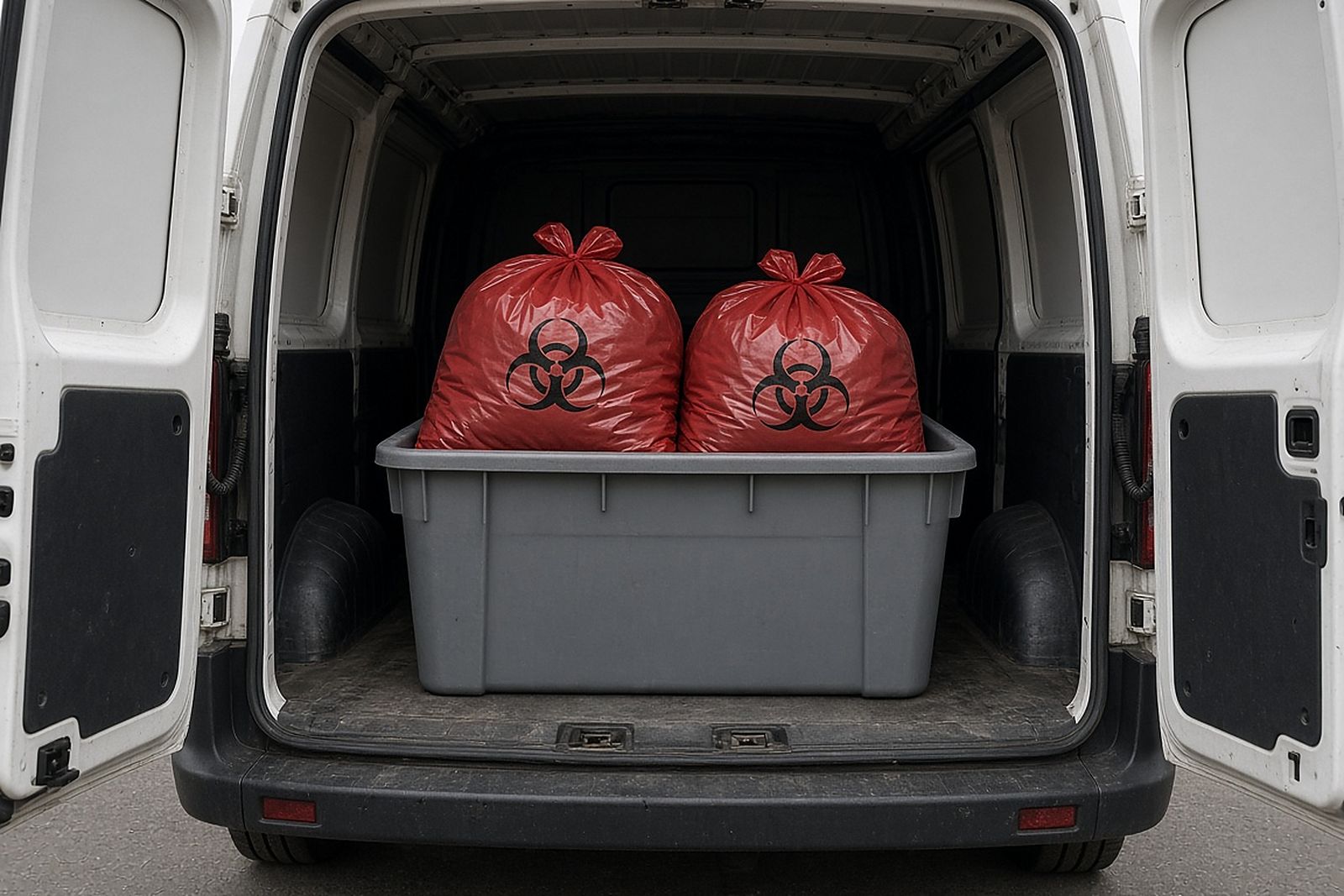
What to verify locally
- The hauler's state permit or registration, confirmed directly with the agency that issued it, and whether it covers the types of waste you make.
- The name and address of the permitted treatment site that will get your waste, and how its treatment records come back to you.
- Whether your state or county makes you, as the one who made the waste, sign up or keep a waste plan. Also, whether you must meet a time limit for how long waste may sit before pickup.
- Who supplies approved containers and labels, and who is responsible if a container is too full, unsealed, or refused at the curb.
- How waste shipping records are issued, how many copies you keep, and how long local rules expect you to keep them.
- Whether the company that signs your contract really drives your waste, or whether a hired carrier with its own permit will show up at your door.
Facts worth knowing
In a survey of 503 police officers in Tijuana, those who wore needle-resistant gloves were less likely to have been stuck by a needle.
Why it matters: Ordinary gloves may not stop a needle, so ask whether the crew you hire wears puncture-resistant gloves.
US employers must offer the hepatitis B vaccine within 10 working days of giving a worker a job with exposure to blood.
Why it matters: If your own staff will clean up blood, this duty may apply to you; ask a cleanup company whether its crews were offered the vaccine.
OSHA's hazardous waste rule requires site workers to take 40 hours of training, three supervised days in the field, and 8 hours of refresher training each year.
Why it matters: For chemical jobs such as meth lab cleanup, you can ask whether the crew holds this training and a current yearly refresher.
Local questions about biohazard waste transport
Do storage time limits for biohazard waste differ from one county to the next?
They can. Some states set storage limits for medical waste across the whole state. Some counties or cities add stricter local rules, especially for cold storage or waste kept outdoors. The limits may also depend on how much waste you make. Ask your state medical waste program what applies to your address. Then check with the county health department whether any local rule changes that answer.
What changes if our waste will be treated in a different state?
Shipments that cross state lines bring more paperwork. The hauler must meet DOT rules for the trip. It may also need permits in each state it drives through or unloads in. The receiving state's rules govern treatment. Your own state may still require you to keep tracking records. Ask the hauler which states are involved, and ask for copies of the permits for your files.
Our clinic is in a shared building. Who controls where waste is stored?
Usually the landlord and the local health or fire authority both have a say. Leases often assign storage rooms and loading areas. Local codes may limit where medical waste can sit and how it must be secured. Talk with building management about a locked space away from public hallways. Confirm the plan with the county health department before your first pickup.
Who handles waste pickup after remediation at a private home?
The cleanup contractor usually packs medical waste and arranges hauling through a permitted hauler. But confirm this before work begins. Ask who is listed as the generator on the paperwork and when boxes will leave the property. Ask whether any containers will be stored in your garage or driveway overnight. Ask for copies of the shipping papers, so you have proof the waste went to an approved site.
Is a rural practice limited to mail-back programs?
Not always, though mail-back can suit small waste producers far from route service. Whether mail-back is allowed for your types of waste depends on federal postal rules and your state's program. Some regions have haulers that run less frequent routes to remote areas. Ask your state agency which options are accepted locally. Compare their paperwork, container rules, and costs.
How do I report a transporter that left waste in an unsafe place?
Record what you saw with photos, dates, and the company name on the truck or containers. Then contact the county health department and your state medical waste program. If containers are leaking near a road or storm drain, call local emergency services or the environmental agency's spill line first. Keep your own waste shipping records handy, since investigators may ask for them.
Do tribal lands or military installations follow the same waste rules?
Often they follow different or extra rules. Sites on tribal lands may work with tribal environmental offices and federal agencies. Military bases have their own environmental programs. If you make waste in one of these settings, or hire a hauler to serve one, ask the right environmental office which rules apply. Confirm the hauler is approved to work there.
More on biohazard waste transport
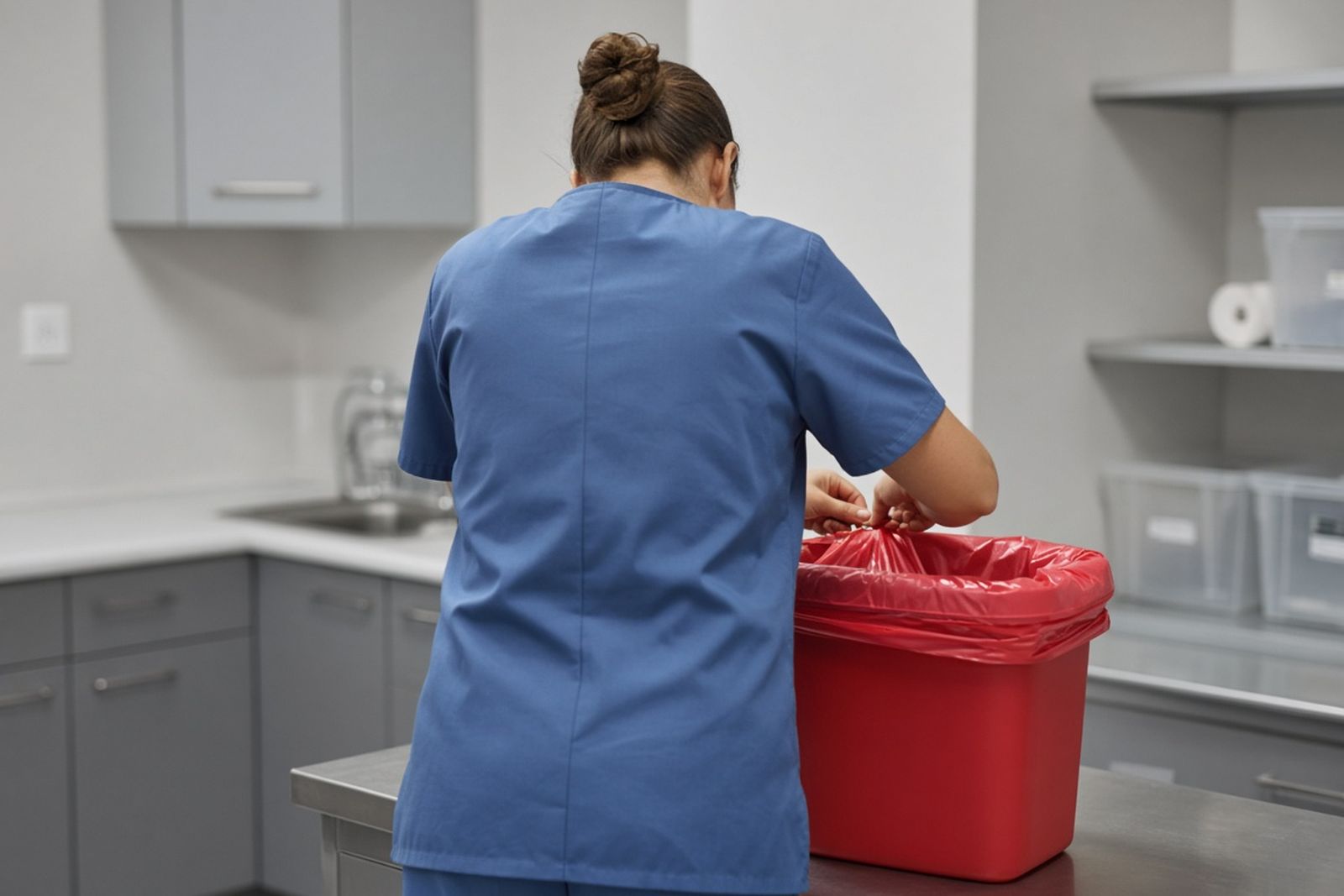
Biohazard Waste Transport services
See how medical waste hauling works, from packing and shipping records to permitted treatment, before you sign with a hauler.
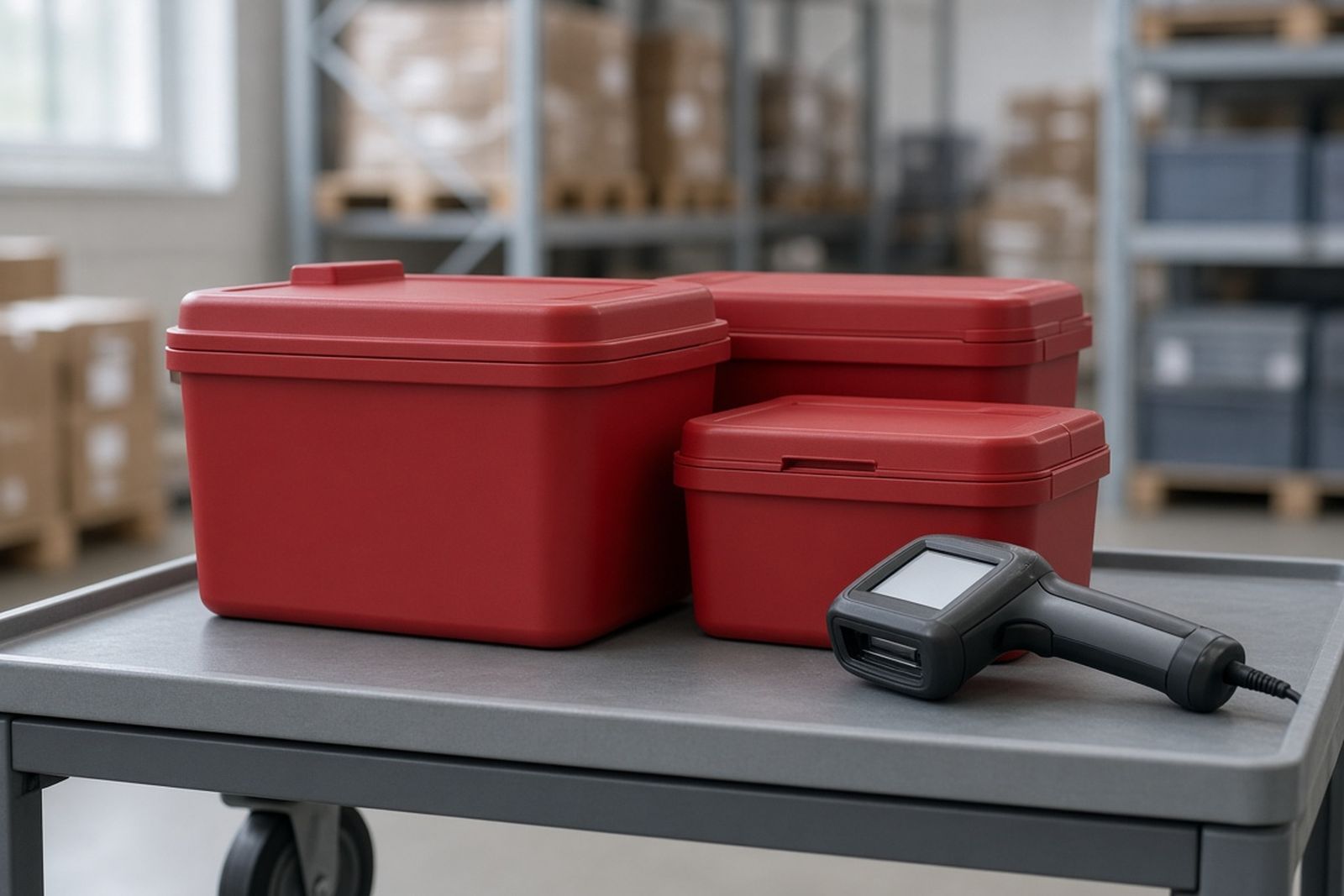
Costs explained
What drives the price, published cost ranges, and how to read a written quote line by line.
Insurance and payment
Which policies may respond, how to document a claim, and what to do if coverage is denied.
Planning tools
Use planners to estimate pickup costs, check haulers, sort waste, and organize records for your medical waste program before you commit.
Community polls
See how other clinics, studios, labs, and property owners handle pickup schedules, paperwork, and hauler choices. See where opinions differ from the written rules.
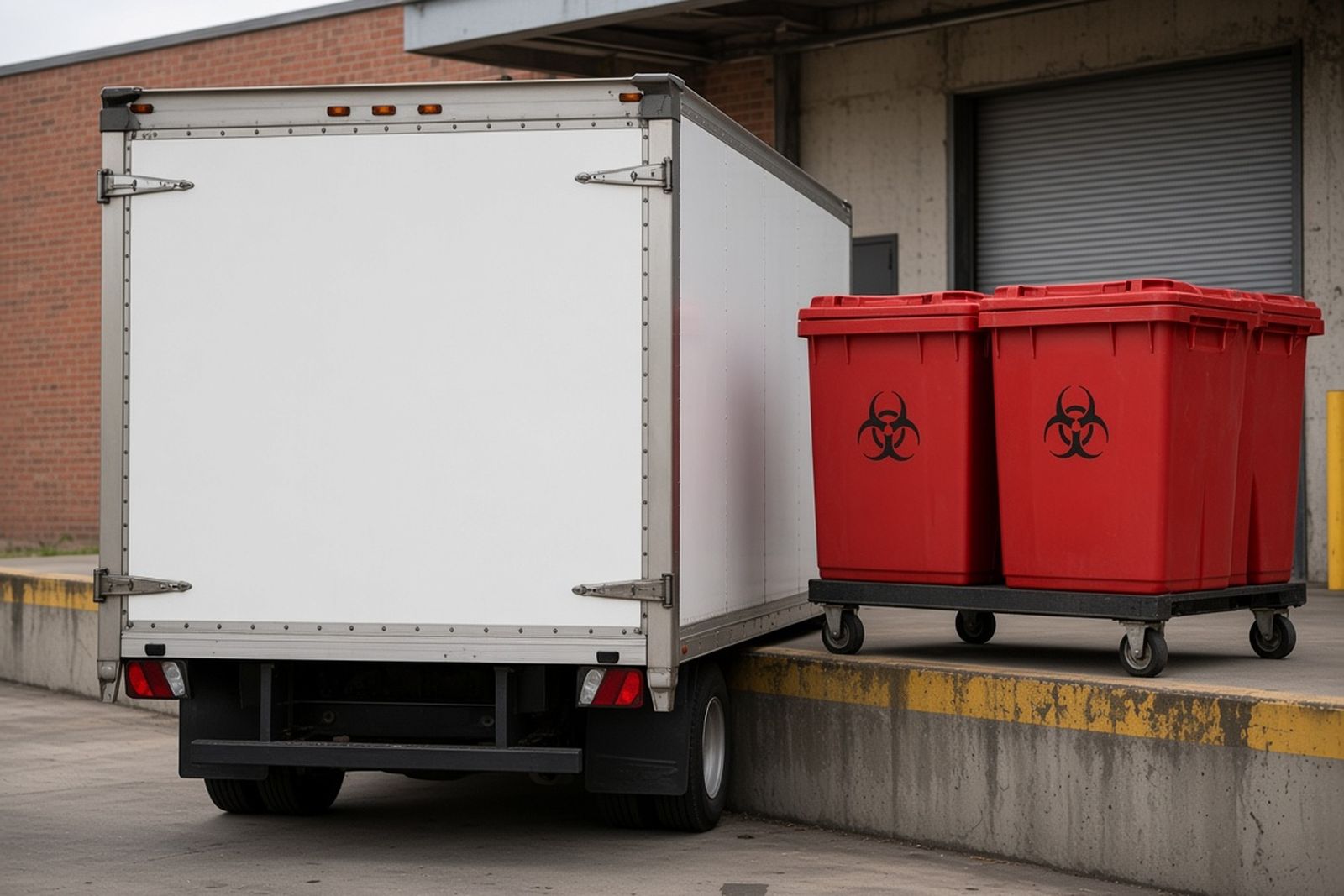
Knowledge quiz
Test what you know about who is responsible, container rules, shipping records, and proof of treatment. Then review the study guide for anything you missed.
Articles and resources
Read practical articles on storage limits, mail-back programs, rejected loads, and building a waste file that holds up to an inspection or insurer audit.