Biohazard Waste Transport: Industry Insights
Operational analysis of biohazard waste transport documentation, property-type differences, technology limits, environmental decisions, and provider business models—without invented case histories.
Industry posts look at how biohazard waste hauling has changed and how those changes affect businesses that make waste. They cover how small haulers have merged into larger networks. They cover the growth of online shipping records and tracking portals, and the differences between business and home pickups. They cover debates over how treatment methods affect the environment. They also cover how property managers handle waste left by tenants or cleanup contractors. Other posts walk through planning examples that show how a business can build a waste program that holds up to review. Several posts compare how business customers and one-time home customers experience the same industry, from contract terms to scheduling flexibility.
Get an email reply about biohazard waste transport
Send a short message to the follow-up inbox. A coordinator can reply by email. This form does not send emergency help; call 911 first if anyone is in danger.
These trends matter because they shape your choices and your risks. A national network may cover a wide area but hand local routes to other carriers. A regional hauler may know your area well but have fewer backup trucks. Online tracking can make records easier to find, but only if the data is accurate. Understanding these shifts helps you ask sharper questions and choose a service that suits your business. These posts also look at how treatment capacity, driver shortages, and fuel costs trickle down into pickup schedules and bills. They explain why businesses with backup plans for missed service handle those disruptions better. Paying attention to the industry helps you plan for changes instead of reacting to them.
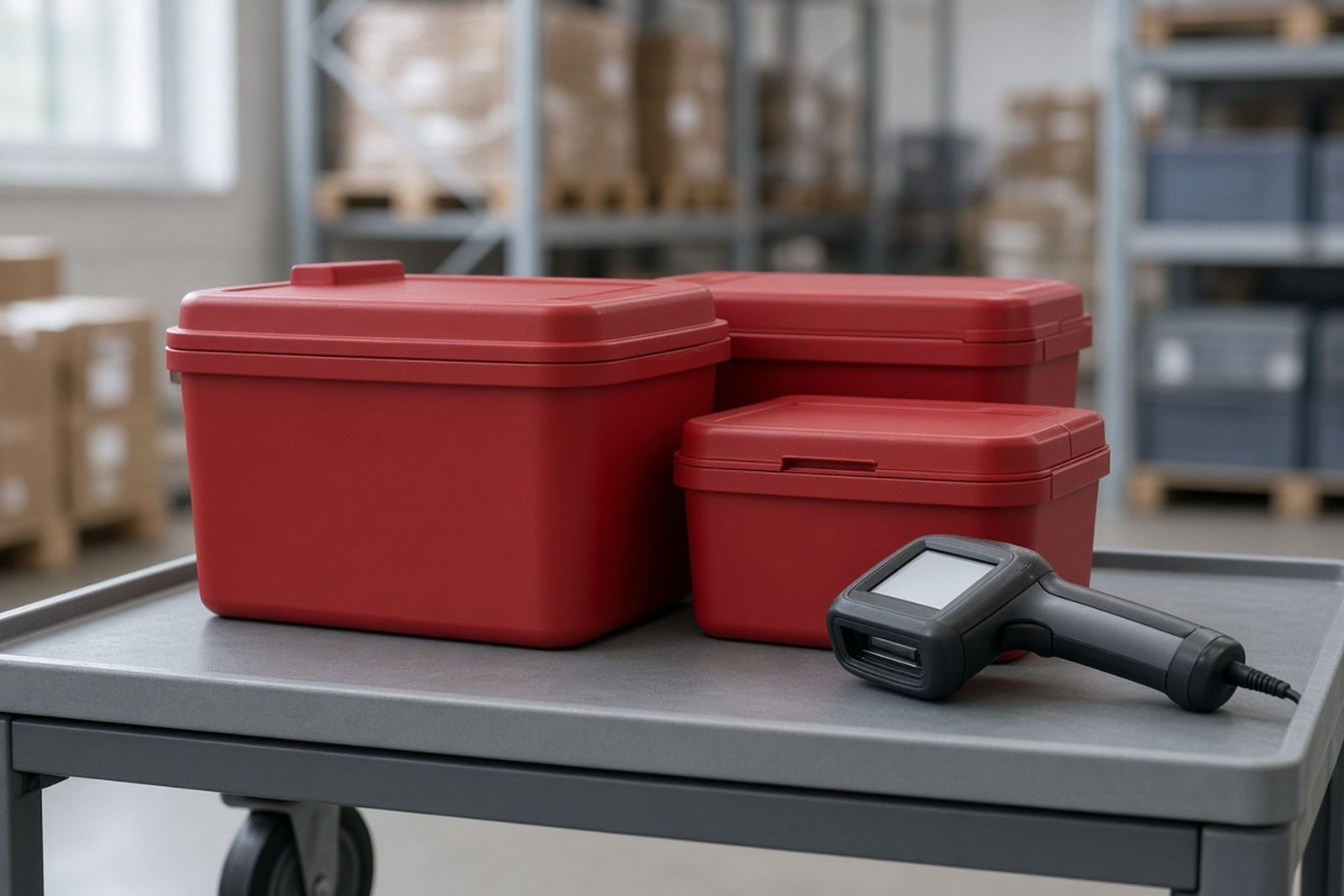
How Biohazard Waste Transport Practice Has Changed
Medical waste transport moved from on-site burning and loose rules to state tracking, DOT packaging standards, and autoclave treatment. Here is how it evolved.
Biohazard waste transport grew from a loosely regulated practice, when most infectious waste was burned on site, into a system of state permits, federal packaging and shipping rules, trained drivers, and tracked shipments to dedicated treatment facilities. Public alarm over medical waste on beaches, a short federal tracking program, and air pollution concerns about incinerators each pushed the industry toward today's practices.
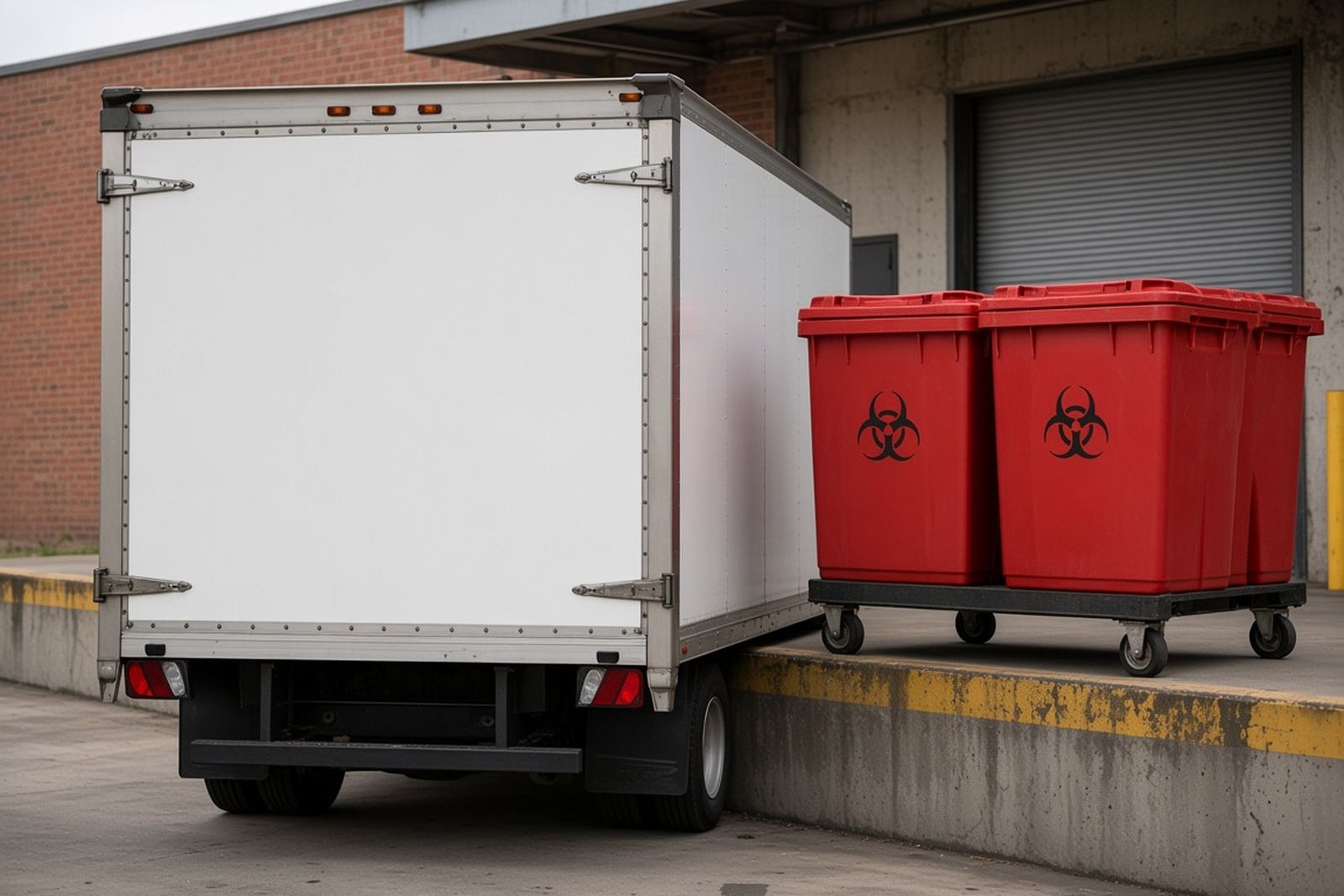
Biohazard Waste Transport for Property Managers: What You Need to Know
Found sharps in a stairwell or hired a trauma cleaner for a unit? Here is how property managers keep medical waste pickup legal, documented, and off their desk.
As a property manager, you usually are not a medical waste generator, but you often control the space where regulated waste sits and the vendors who remove it. Your job is to know who owns the waste, keep it secured and labeled until pickup, hire or confirm a registered hauler, and keep tracking records in the property file.
Biohazard Waste Transport Planning Example: Building a Defensible Scope
A hypothetical clinic closure shows how to scope medical waste pickup: waste streams, containers, storage, tracking, exclusions, and who signs off on changes.
A defensible medical waste transport scope lists every waste stream and where it goes, the containers and packaging limits for each, how and where waste is stored before pickup, the pickup schedule, who signs shipping papers, what records come back, and which materials are excluded. This hypothetical clinic closure walks through those decisions step by step.
Commercial vs Residential Biohazard Waste Transport
Clinics sign service contracts and track every box; households often use mail-back or drop-off. Here is how medical waste hauling differs between the two.
Commercial generators such as clinics, labs, studios, and cleanup companies usually need a registered hauler, approved containers, scheduled pickups, and tracking records for each shipment. Households producing sharps or home care waste often fall under separate household rules and use mail-back programs, pharmacy kiosks, or drop-off sites. Who produced the waste, and why, decides the path.
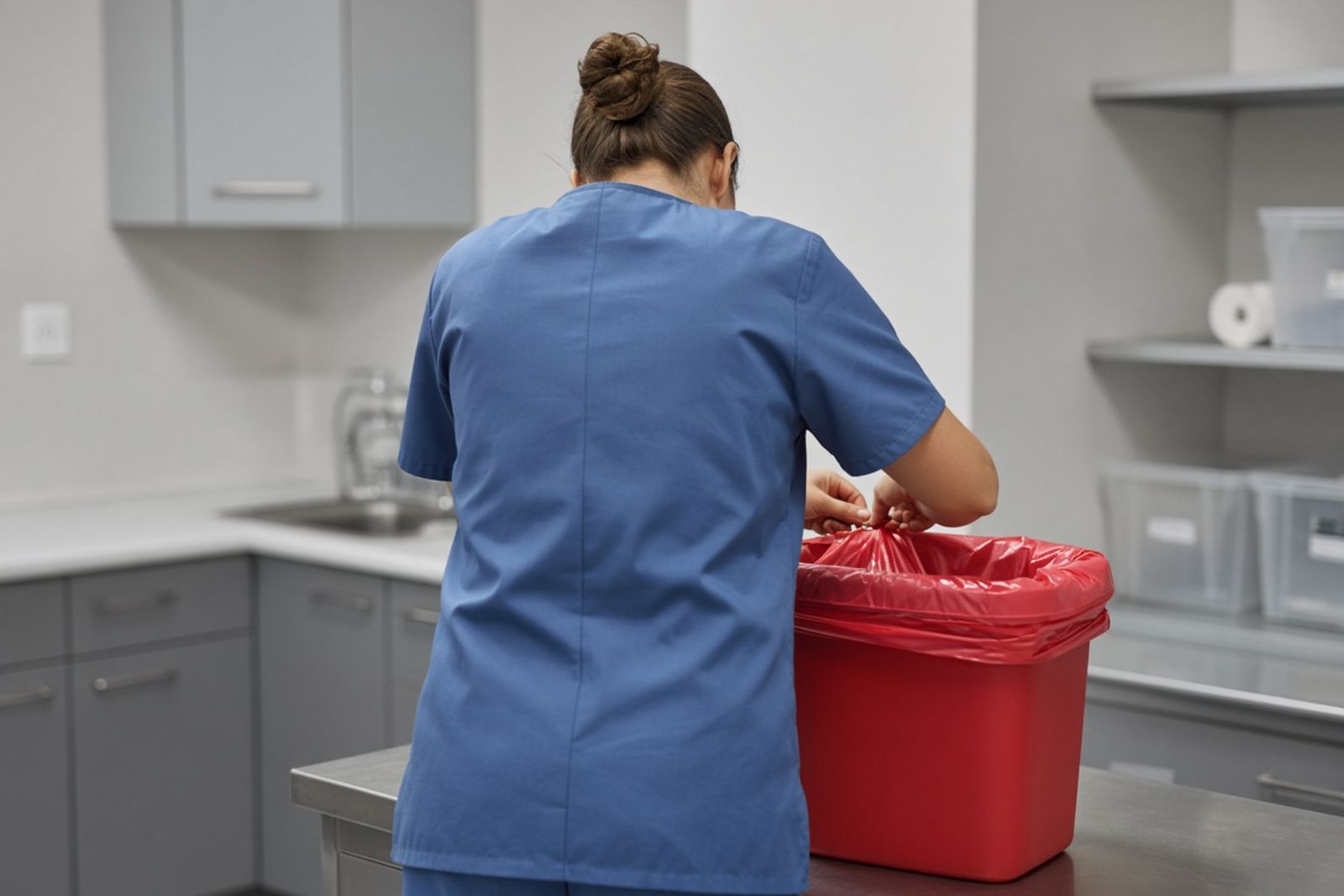
Environmental Responsibility in Biohazard Waste Transport
Better sorting, reusable containers, smarter routes, and cleaner treatment choices can shrink the footprint of medical waste hauling without cutting safety.
Environmental responsibility in medical waste transport starts with the generator: sort carefully so only truly regulated waste goes in red bags and sharps containers. Reusable containers, efficient routes, careful wash-water handling, and treatment matched to each waste type then shrink the footprint further. None of it should weaken safe packaging, tracking, or legal disposal.
Sourced figures on industry insights
- 94%
94% reported encountering needles or syringes while on duty.
Read with care: Occupational/local sample; no infection transmission rates established.
Source: Mittal et al. (2016)503 Tijuana police officers in an anonymous 2014 occupational survey.
- 29 lb per bed per day
Hospitals generate more than 29 pounds of waste per bed per day, according to Practice Greenhealth.
Read with care: Figure covers all waste streams, of which regulated medical waste is a minority.
Source: Practice Greenhealth (via MedCity News) (2024)United States hospitals, all waste streams
- 385,000
CDC estimates 385,000 needlestick and other sharps injuries occur each year among hospital-based healthcare personnel, about 1,000 per day.
Read with care: Older estimate; excludes injuries in clinics, nursing homes and EMS.
Source: CDC (2008)United States hospital-based healthcare personnel
These figures are public research and agency data, not this network's own job records. Keep each number with its population, year and limits; none of them predicts cost, timing or outcome at a specific property.
What research has found
Findings from published studies of people and properties in situations like this one. They describe what researchers observed in a specific group; they are not predictions for your case.
Sharps disposal and waste contact contributed to reported injuries.
Sharps-disposal availability varied substantially between responding airports.
Industry Insights: common questions
Are online shipping records replacing paper in waste hauling?
Many haulers now offer online portals that store shipping papers and treatment records. Some states accept electronic records. Paper is still common, and the rules vary by state. Whichever format you use, make sure you can pull up records quickly. Ask your state agency whether electronic copies meet its rules for how long and how records must be kept.
Why does my waste company keep changing names?
In the waste industry, larger networks often buy smaller haulers. A name change can affect contracts, permits, and who really serves your route. When you get notice of a change, ask for updated permit information. Confirm the treatment site. Review your contract for any new terms or pricing, and ask questions about anything that changed.
Is there growing pressure to reduce the environmental impact of medical waste?
Yes. Businesses and communities more and more ask about fumes from burning waste and the energy used by steam treatment. They also ask about how much normal trash ends up in red bags. Better sorting cuts the amount that needs special treatment. Ask your hauler about options that fit your types of waste and meet state rules.
Are reusable waste containers becoming more common?
Many haulers now offer reusable sharps containers and hard tubs instead of single-use boxes. This is most common for steady, higher-volume businesses. Interest has grown as facilities look for ways to cut packaging waste. What is offered varies by region and hauler. If you are interested, ask whether a program is approved for your state and how containers are cleaned between uses.
Why are some vendors offering on-site treatment equipment?
Some businesses want fewer pickups or more control over their waste. Vendors have responded with small steam units and machines that process sharps. These can suit some facilities. But they usually need state approval, testing to prove they work, and ongoing records. The choice is less about the equipment and more about whether your team can run a treatment program correctly over time.
What contract trends are generators noticing?
Customers push back more and more on long contracts that renew on their own, surcharges with no cap, and fees for records that used to be included. Some haulers now offer shorter terms or clearer fee lists to compete. Terms still vary widely. Reading contracts closely and asking for changes before signing is still the surest way to get fair terms, whatever the trend.
How is growth in home-based care affecting waste pickup?
More care now happens in homes, through home health, hospice, mobile blood draws, and similar services. That creates waste in many scattered places instead of one clinic. Agencies and haulers have responded with take-back programs, mail-back kits, and routes that serve an agency office. If you run such a service, ask haulers how they handle waste made in many places.
Related community polls
Every count is a real visitor vote; nothing is seeded or padded. One vote per poll per device, and you can change your answer.
How does your business get medical waste off site now?
Which part of your waste program is most frustrating?
More on biohazard waste transport
Biohazard Waste Transport services
See how medical waste hauling works, from packing and shipping records to permitted treatment, before you sign with a hauler.
Costs explained
What drives the price, published cost ranges, and how to read a written quote line by line.
Insurance and payment
Which policies may respond, how to document a claim, and what to do if coverage is denied.
Planning tools
Use planners to estimate pickup costs, check haulers, sort waste, and organize records for your medical waste program before you commit.
Community polls
See how other clinics, studios, labs, and property owners handle pickup schedules, paperwork, and hauler choices. See where opinions differ from the written rules.
Knowledge quiz
Test what you know about who is responsible, container rules, shipping records, and proof of treatment. Then review the study guide for anything you missed.