Biohazard Waste Transport Cost: What You Pay For
Weight, containers, and paperwork shape every medical waste pickup bill.
Moving medical and biohazard waste is not ordinary hauling. Every pickup needs approved containers, correct labels, and shipping papers. The waste must go to a licensed treatment site. Records follow it from your door to final treatment. Knowing how each piece is priced helps you compare haulers, avoid surprise fees, and keep your records complete.
Get an email reply about biohazard waste transport
Send a short message to the follow-up inbox. A coordinator can reply by email. This form does not send emergency help; call 911 first if anyone is in danger.
What published figures say about cost
- $0.30-$0.80 per pound
Regulated medical waste disposal typically costs $0.30 to $0.80 per pound, with small physician practices paying $75 to $200 per month.
Read with care: Published by a disposal vendor; regional pricing and minimum fees vary.
Source: MedPro Disposal (vendor pricing guide) (2026)United States, vendor pricing guide dated March 2026
- 46 gallons
Federal rules cap plastic film bags of solid regulated medical waste at 175 liters (46 gallons), and bags placed in carts or bulk packagings at 10 kg (22 lb) when filled.
Read with care: Packaging must also meet UN performance standards; state rules may be stricter.
Source: DOT PHMSA (49 CFR via Cornell LII) (2024)United States, hazmat regulations for UN3291 regulated medical waste
- 12 hours
Hazmat incidents that kill or hospitalize someone, close a major artery for an hour, or involve infectious substances must be reported by phone within 12 hours.
Read with care: A written DOT Form 5800.1 is separately due within 30 days.
Source: DOT PHMSA (49 CFR via Cornell LII) (2024)United States, hazmat carriers
- 1,000 kg/month
Facilities generating 1,000 kg or more of hazardous waste per month are Large Quantity Generators and may accumulate waste on site for at most 90 days.
Read with care: RCRA thresholds apply to chemical hazardous waste, not to most regulated medical waste.
Source: EPA (2024)United States, RCRA hazardous waste generators
- 1991
The federal Medical Waste Tracking Act regulations expired on June 21, 1991, leaving medical waste primarily regulated by state environmental and health departments.
Read with care: EPA and DOT still regulate some aspects (e.g., transport, incinerator emissions).
Source: EPA (2024)United States, federal medical waste regulation history
- 90 days
New hazmat employees must complete required DOT training within 90 days of employment and may work only under direct supervision until then.
Read with care: Training covers general awareness, function-specific, safety and security awareness.
Source: DOT PHMSA (49 CFR via Cornell LII) (2024)United States, hazmat employees including medical waste transporters
These figures are public research and agency data, not this network's own job records. Keep each number with its population, year and limits; none of them predicts cost, timing or outcome at a specific property.
What does a biohazard waste transport price cover?
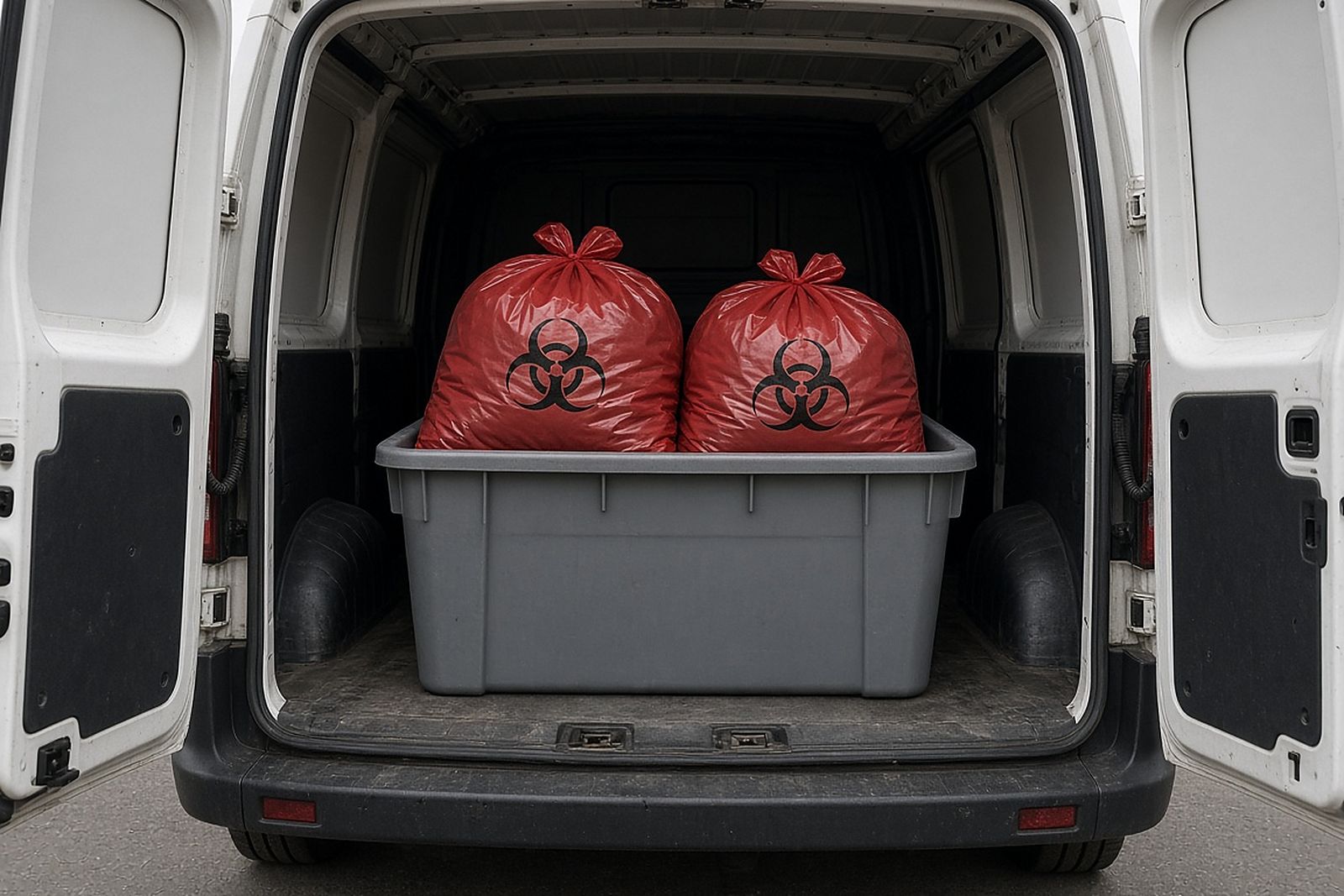
A typical price bundles several services. The hauler supplies or approves containers. These may be red bags inside hard boxes, sharps containers, or reusable carts. A trained driver picks up the sealed containers. The driver checks labels and how full each one is. Then the driver loads them into a vehicle that meets transport rules. The waste goes to a licensed site for treatment. That is often a steam sterilizer, called an autoclave, or burning, called incineration.
Paperwork is part of the price too. Each load needs a shipping paper, sometimes called the waste shipping record. It describes the waste and how much there is. Many businesses also get a certificate once the waste has been treated or destroyed. These records protect you if an inspector or auditor asks where your waste went. A hauler that handles them with care gives you real value beyond the drive.
- Approved containers and liners
- Scheduled or on-call pickup
- Shipping papers or waste shipping records
- Transport to a licensed treatment site
- Treatment by steam sterilizer (autoclave), burning (incineration), or another approved method
- Certificates and records returned to you
How is regulated medical waste usually priced?
Many haulers price by weight or by container. Others use a flat monthly plan with a set number of pickups. Industry price guides give a sense of scale. MedPro Disposal's 2026 vendor pricing guide says regulated medical waste disposal usually costs $0.30 to $0.80 per pound. It says small doctor's offices pay $75 to $200 per month. Your own price will depend on where you are, how much waste you have, and what services you need.
Treat published ranges as background, not a quote. A small dental office, a tattoo studio, a large clinic, and a cleanup company finishing a trauma scene make very different amounts and kinds of waste. Ask each hauler to price your real waste and schedule. Then you can compare offers fairly. Share recent bills if you have them. Past volume is the best basis for a new estimate.
Which factors raise or lower your transport costs?
Volume and frequency matter most. If your waste is steady and easy to predict, you can often lock in a regular schedule. That spreads costs evenly. Some businesses make waste at odd times, like a cleanup company after one large job. They may pay more for on-call or emergency pickups. Distance from the hauler's route and the treatment site can also change the price, especially in rural areas.
The type of waste is another big factor. Sharps, body tissue, chemotherapy waste, medicines, and some high-risk infectious materials may each need their own containers. They may need different treatment or special handling. Mixing them the wrong way can lead to refused loads or extra charges. Sorting waste right where it is made often lowers costs. It also lowers the chance of breaking a rule. A short staff lesson on which bin gets which item can pay for itself fast.
How should you compare transport quotes?
Ask every hauler to list each charge. That includes container fees, pickup charges, and per-pound or per-box rates. It also includes fuel or environmental add-on fees and any fees for shipping records, certificates, or online record access. Then compare what you would really pay over a year for your expected volume. A low per-pound price can be wiped out by high minimums, container rental fees, or frequent add-on charges. A simple spreadsheet helps you judge every bid the same way.
Also compare service terms. Look at contract length, automatic renewal, price increase terms, and cancellation fees. Confirm which treatment site the waste goes to. Check that the hauler holds the permits your state requires. Ask how you will get your records. If a hauler cannot clearly explain where your waste ends up, that is a risk no matter how low the price is.
What hidden fees commonly appear on invoices?
Common add-ons include fuel charges, environmental or regulatory fees, and container rental or swap charges. There may be fees for missed or moved pickups. Some contracts charge for containers that are too heavy. Some charge for boxes that are not sealed or labeled right when the driver arrives. Emergency or same-day pickups often cost more. Some haulers bill separately for copies of paperwork. Read the fee list in your contract before the first pickup.
Automatic renewals and yearly price increases can raise costs over time. Check your bills often and compare them with your contract. If a new fee shows up, ask the hauler to explain it in writing. Keeping containers packed, labeled, and ready for pickup can prevent many of the most common penalty charges. Small habits at the loading area often make a big difference in the final bill.
Can careful planning lower your waste transport bill?
Yes, in many cases. The easiest savings come from keeping regulated waste apart from ordinary trash. Paper towels, packaging, and other items that are not infectious sometimes end up in red bags. Then you pay regulated rates for things that could have gone in the regular trash. Clear signs, well-placed bins, and short staff reminders help. They keep red containers for the items that truly need them.
Storage and scheduling matter too. Your state may allow it, and you may have a safe, proper storage area. If so, fewer pickups may cost less than many small ones. Review your volume every few months. Ask your hauler whether a different container size or schedule would fit better. Rules vary by state and county on how long waste may be stored. Confirm the limits with your state agency before you change your routine.
Who pays for biohazard waste transport?
The business that makes the waste usually pays. For medical offices, labs, and similar places, that means the business itself. It is usually a regular operating cost. For cleanup companies, transport and disposal costs are normally built into the cleanup bill. That bill goes to the property owner, estate, business, or insurer. Employers usually cover waste handling for workplace incidents. Clients who ask about these charges deserve a clear, itemized answer.
When waste comes from a crime or trauma scene cleanup, disposal may be part of the costs paid by someone else. That could be a homeowners policy, a victim compensation program, or an estate, depending on the situation. Households with needles used at home can sometimes use community drop-off or mail-back programs. Rules vary by state and county. Check with the local authority or your state environmental agency.
What does a realistic transport scenario look like?
Imagine a small cleanup company that finishes several trauma cleanups each month. At first, it calls a hauler after every job and pays emergency rates each time. The owner looks back over three months of bills. Emergency rates had become a normal cost. So the owner asks two haulers for offers. The offers are based on the company's real volume, waste types, and storage space at its shop.
One hauler offers a scheduled pickup plan. It has a set number of containers, clear add-on fees, and online access to shipping records and treatment certificates. The owner compares the yearly cost with past emergency pickups. The owner checks the treatment site's permits. Then the owner signs a contract that does not renew on its own. Now the company can pass steady disposal costs on to clients. It also keeps a full record for each job.
Estimate your range
Biohazard Waste Transport cost range estimator
Educational only. Real pricing needs an on-site assessment and a written scope. Insurance coverage is decided by your carrier, not by this tool.
Educational range: $3,000 – $5,000
Scaled from a published reference range (typical biohazard cleanup project, national) reported by Fixr (2025). Your region, provider and the actual findings on site can move the real number outside this range.
Cost level: Mid range.
None of the big cost multipliers are selected. Minimum service charges, travel and waste fees still apply.
Ask every quote to itemize labor, containment, product, waste disposal, verification sampling, and any rebuild, and to state what is excluded.
Open the full tool page for a worked example and more answers.
Costs questions about biohazard waste transport
Why can't I just put biohazard waste in the regular trash?
Medical and biohazard waste may carry germs. Rules in many places say it must be packed, labeled, moved, and treated in certain ways. Putting it in regular trash can expose trash workers and the public. It may also lead to penalties. Your state and local rules decide exactly what counts as regulated waste. Check with the right agency before you throw anything away.
Is it cheaper to pay by weight or by container?
It depends on your waste. Heavy but compact waste may cost less per container. Light, bulky waste may cost less by weight. If haulers offer both, ask them to price your real waste both ways. Then compare the total over a year. Include add-on fees, container fees, and minimum charges, not just the main rate.
What should be on my shipping papers?
Shipping papers usually describe the waste and how much there is. They name the business that made it, the hauler, and the site that receives it. Exact rules vary by state and waste type. Your hauler should help you fill them out correctly and give you copies. Keep those records with any treatment certificates. Inspectors or auditors may ask to see them later.
Why did my transporter charge a fee for an improperly packed box?
Haulers must refuse or repack containers that are too full, leaking, unsealed, or labeled wrong. Those problems create safety and legal risks on the road. Repacking takes time and supplies, so many contracts charge a fee. Train staff to pack containers correctly. Check containers before the driver arrives. That can help you avoid these charges and delays.
Can I schedule a one-time pickup instead of signing a contract?
Many haulers offer one-time or on-call pickups. These often cost more per visit than scheduled service. This choice can work for businesses with waste only now and then, like after a single cleanup job. Ask about minimum charges, container rules, and how fast they can come. If your volume grows, compare the total cost of on-call pickups with a scheduled plan.
Do I get proof that my waste was treated?
Many haulers give you a certificate after your waste is treated or destroyed. Sometimes it comes through an online portal. Ask about this before you sign a contract. These records help show your waste was handled properly from pickup to final treatment. Keep them in order with your shipping papers. Then you can answer any audit or inspection request quickly.
What about sharps generated at home?
People who use needles for medical care at home often have options. These include community drop-off sites, pharmacy take-back programs, or mail-back containers. What is offered varies by area. Contact your local health department, pharmacy, or waste agency to learn what is available where you live. Never put loose needles in household trash or recycling. They can hurt trash workers.
What other visitors said
Every count is a real visitor vote; nothing is seeded or padded. One vote per poll per device, and you can change your answer.
How does your business get medical waste off site now?
Which part of your waste program is most frustrating?
More on biohazard waste transport

Biohazard Waste Transport services
See how medical waste hauling works, from packing and shipping records to permitted treatment, before you sign with a hauler.
Insurance and payment
Which policies may respond, how to document a claim, and what to do if coverage is denied.
Planning tools
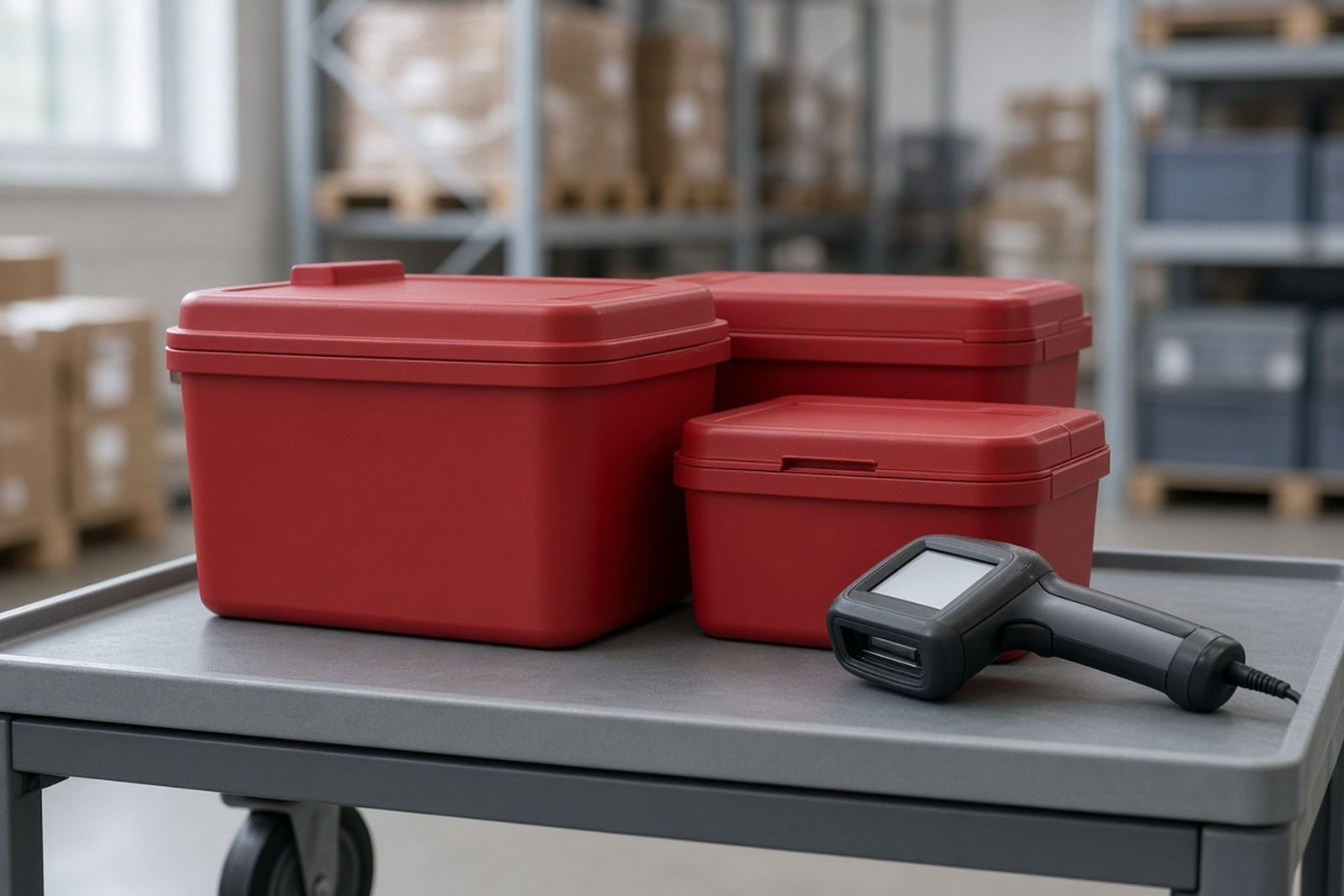
Use planners to estimate pickup costs, check haulers, sort waste, and organize records for your medical waste program before you commit.
Community polls
See how other clinics, studios, labs, and property owners handle pickup schedules, paperwork, and hauler choices. See where opinions differ from the written rules.
Knowledge quiz
Test what you know about who is responsible, container rules, shipping records, and proof of treatment. Then review the study guide for anything you missed.
Articles and resources
Read practical articles on storage limits, mail-back programs, rejected loads, and building a waste file that holds up to an inspection or insurer audit.