Free biohazard waste transport tool
Biohazard Waste Transport Waste & Disposal Classifier
Five questions about the material point to the likely waste category and which authority to confirm the rules with.
Most rule-breaking in this field starts with a sorting choice made in a hurry. This guide asks a few questions about the item in front of you. Is it a sharp? Is it soaked with blood or other body fluids that can carry disease? Would it release those fluids if squeezed? Is it tissue or an animal body? Does it contain chemicals or drugs? Where did it come from? Based on your answers, it suggests a likely type. That might be regulated medical waste, sharps, hazardous waste under RCRA (the federal hazardous waste law), or normal trash. It also names the kind of authority that can confirm the call. It is written for anyone who handles waste in a clinic, studio, lab, vet practice, funeral home, care home, or cleanup site.
The guide stops at a likely type on purpose. Definitions differ by state and county, and some items sit near a border line. A glove with a trace of blood is normal trash in many places, but not all. Embalming waste may raise both body-fluid and chemical concerns. A cleanup crew's used absorbent from a blood spill is regulated waste. The same absorbent used on a solvent belongs in a totally different stream. When the tool flags a mixed or unclear result, set the item apart. Ask your state agency or your hauler before it is packed. Mixed loads are a leading cause of rejected pickups and surprise charges.
How to use it
- 1Describe the item honestly, starting with whether it can poke or cut and whether it is soaked with blood or other body fluids that can carry disease.
- 2Say whether the item is tissue, an animal body, or contains chemicals or drugs.
- 3Note where the item came from, such as a treatment room, lab, embalming area, or cleanup site.
- 4Read the likely type, keep the item apart to match, and contact the named authority if the result is mixed or unclear.
Prefer to ask a person?
Your request is sent to the follow-up inbox. A coordinator can reply by email. Not for emergencies; call 911 first if anyone is in danger.
Work out the likely waste path
Biohazard Waste Transport waste and disposal classifier
Points you to the likely waste category and who confirms the rule. State and local definitions control; verify before anything leaves the property.
Likely regulated medical waste (biohazard)
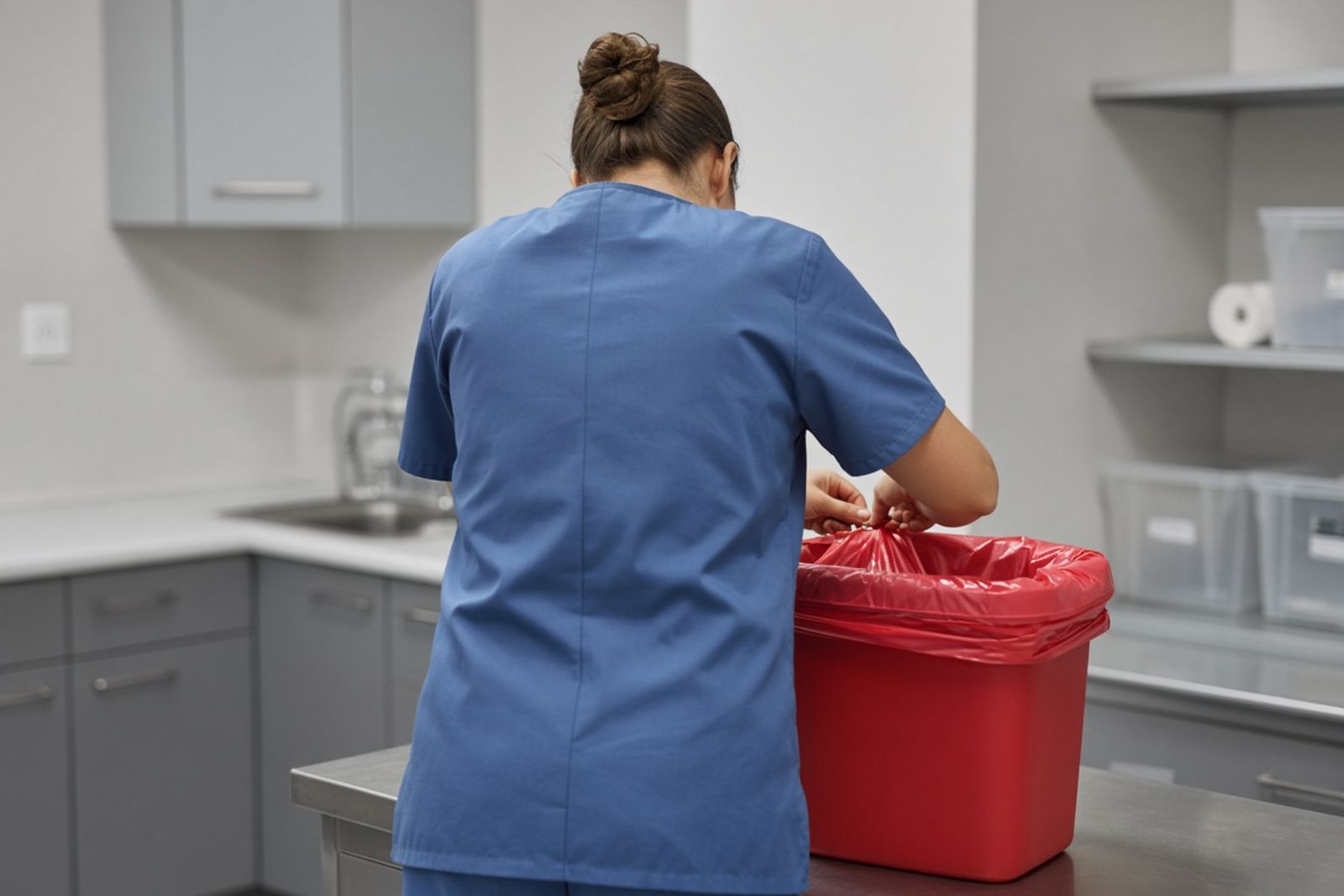
- Materials saturated with blood or other potentially infectious material, or that would release liquid if compressed, are treated as regulated medical waste in most states.
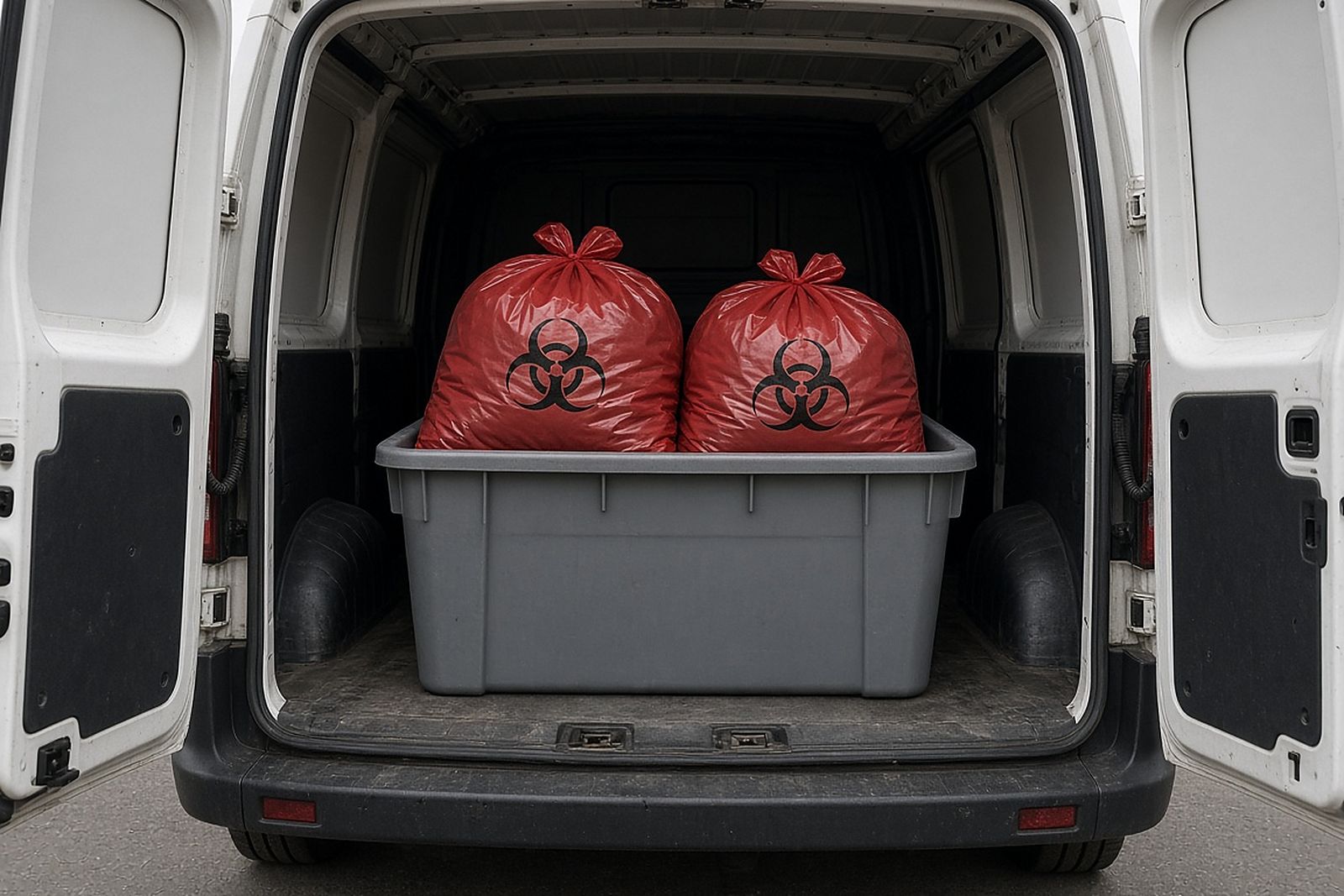
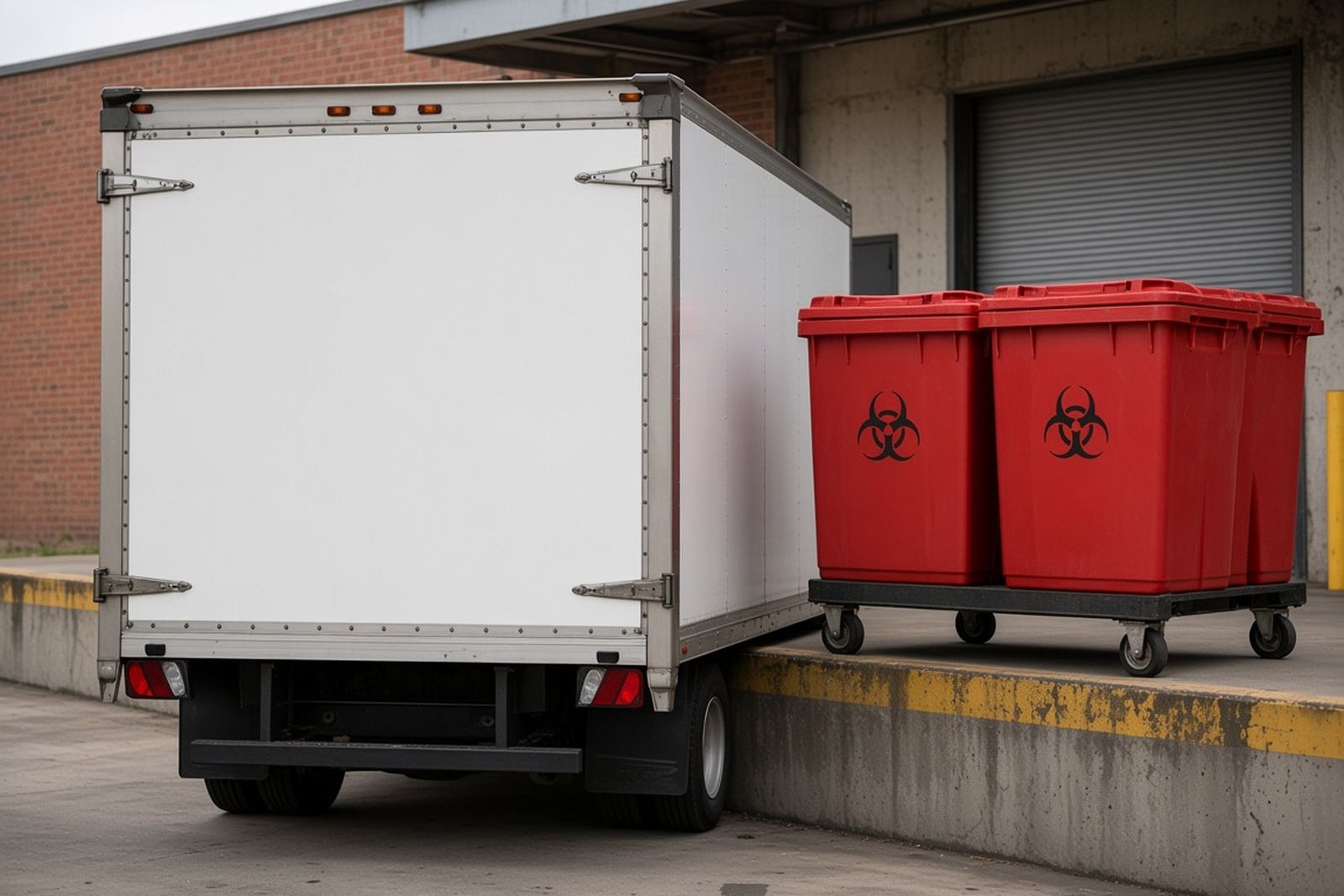
- Packaging usually means red bags inside rigid containers, labeled with the biohazard symbol, and a licensed transporter with a manifest.
Who confirms the rule
- State health or environmental agency (regulated medical waste program)
- The remediation provider, who should name the transporter and treatment facility in writing
This is an educational sorting aid, not a regulatory determination. Waste rules vary by state and county.
A worked example
Imagine a made-up tattoo studio owner checking the bins at the end of a busy week. She has used needles and cartridges, ink caps with residue, and paper towels with small blood spots. She also has plastic barrier film and a bottle of expired skin antiseptic. She runs each one through the guide. The needles and cartridges get a yes to the poke question and a yes to blood contact. The tool returns sharps as the likely type. It points her to a hard sharps container. It notes that her state health agency can confirm disposal options, including mail-back. The paper towels with small spots are not soaked and would not release blood if squeezed. So the likely type is normal trash. The tool warns that a heavily soiled towel would change the answer. The barrier film with no visible soiling also goes in normal trash. For the ink caps, the tool asks whether liquid remains. It suggests normal trash for dried residue. For wet ink, it advises her to check with her hauler. The expired antiseptic is a chemical product. The tool says it is likely not biohazard waste. It may fall under hazardous waste rules, depending on what is in it. The tool points her to the product label and her state environmental agency. She ends with a clearer sorting chart for her staff.
Numbers behind waste classifier decisions
- 32.5%
32.5% reported reusing needles.
Read with care: Single hospital; self-report; adjusted associations, not intervention effects.
Source: Wu et al. (2025)1,810 insulin-treated outpatients in Enshi, China; 2023–2024; 30-day recall.
- 52%
52% were classified as having poor disposal knowledge.
Read with care: Sample-specific knowledge classifications; cannot generalise to all China.
Source: Zan et al. (2024)334 people with diabetes in China.
- 25.8%
25.8% discarded sharps without a designated sharps container.
Read with care: Self-report and single clinic; distinguish container use from final drop-off.
Source: Charbonneau et al. (2022)89 respondents at a US community care clinic.
- 34%
34% reported no formal sharps-disposal training.
Read with care: Self-report; clinic sample; study definition of correct disposal is not a universal legal standard.
Source: Huang et al. (2018)151 patients at one US tertiary endocrinology clinic.
These figures are public research and agency data, not this network's own job records. Keep each number with its population, year and limits; none of them predicts cost, timing or outcome at a specific property.
Waste & Disposal Classifier questions for biohazard waste transport
Is every item that touched a client biohazard waste?
No. In most places, only some items count as regulated. These are items soaked with blood or other body fluids that can carry disease, items that would release those fluids if squeezed, and sharps. Gloves, wrappers, and lightly soiled paper usually go in normal trash. Check the definition your state uses, because a few states set broader rules.
Where do expired medications and disinfectants belong?
Drugs and chemical products are not biohazard waste. They should never go into red bags. Depending on what is in them, they may fall under RCRA, the federal hazardous waste law. Or a drug take-back program may accept them. Check the label, the safety data sheet, and your state environmental agency's guidance. Never count on a red bag to solve a chemical problem.
How should a veterinary practice classify animal carcasses?
Animal bodies from vet care are often treated as tissue waste that needs its own hauling and treatment stream. Some states have extra rules for animals exposed to certain diseases. Ask your hauler which type it accepts. Confirm with your state agriculture or environmental agency. The bodies may need to be kept cold or picked up sooner while they wait.
What makes a load mixed, and why is that a problem?
A load is mixed when types of waste that do not belong together share a container. Examples are a chemical bottle in a red bag or a loose needle in a box of soft waste. Treatment sites may not accept it. Haulers may reject it. The business that made the waste bears the cost and the legal risk. Keeping waste apart where it is made prevents all of that.
Which authority should I ask when the result is uncertain?
For body-fluid and tissue waste, contact the state or county health or environmental agency that oversees medical waste. For chemical or drug items, contact the state environmental agency that runs the hazardous waste rules. Your licensed hauler can also explain what its treatment site accepts. But the agency has the final word.
How should a tattoo studio classify used wipes and ink caps?
It depends on how much blood or fluid they hold and on your state's definition. Items that are soaked, or would release fluid if squeezed, are commonly handled as regulated waste. Lightly soiled items often go in normal trash where the state allows. Needles always go in a sharps container. Run each item type through the guide. Confirm unclear results with your county health department.
Does home dialysis waste count as regulated medical waste?
Often it is treated as household waste when a patient makes it at home for their own care. Sharps still need a proper container, though. The picture changes if a home health agency or other business makes the waste. The guide asks where the material came from. So choose the answer that matches who made it. Then ask the dialysis provider and your local health department which disposal routes apply in your area.
Related community polls
Every count is a real visitor vote; nothing is seeded or padded. One vote per poll per device, and you can change your answer.
How does your business get medical waste off site now?
Which part of your waste program is most frustrating?
Other biohazard waste transport tools
Cost Range Estimator
Set the affected area, surface types, severity and extras to see an educational cost range and the factors that move it.
OpenProvider Vetting Checklist
Fifteen questions to ask any remediation provider, a readiness score, and a copyable list of what is still unanswered.
OpenInsurance Claim Organizer
A guided checklist from finding the policy to tracking the carrier decision, with a printable summary of where the claim stands.
OpenFirst 24 Hours Planner
Tell the planner a few facts about the situation and get an ordered list of who to call, what not to touch, and what to photograph.
OpenDIY or Call a Pro? Risk Check
Eight yes-or-no questions that produce a risk level and explain when professional help is the safer choice.
OpenMore on biohazard waste transport
Biohazard Waste Transport services
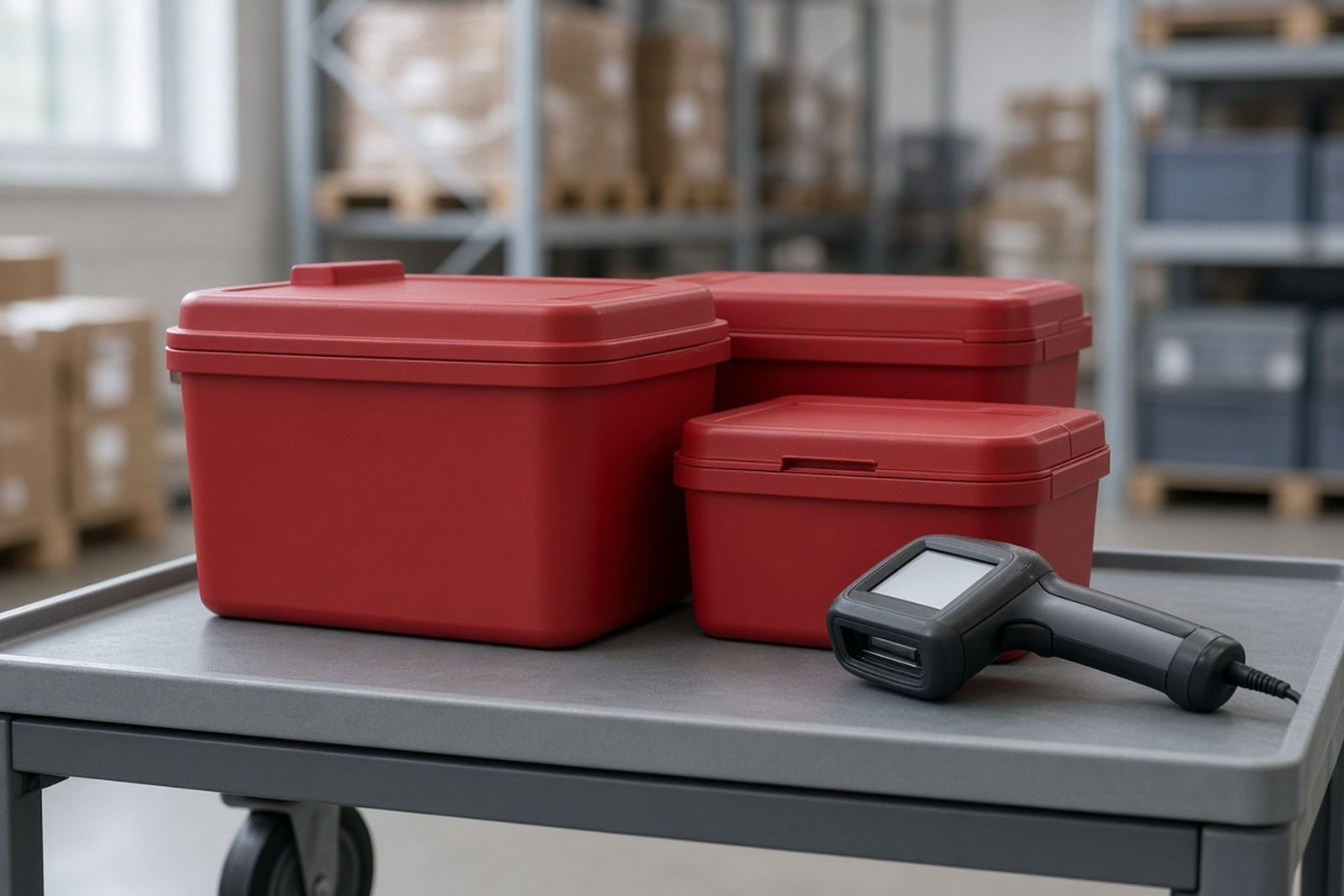
See how medical waste hauling works, from packing and shipping records to permitted treatment, before you sign with a hauler.
Costs explained
What drives the price, published cost ranges, and how to read a written quote line by line.
Insurance and payment
Which policies may respond, how to document a claim, and what to do if coverage is denied.
Community polls
See how other clinics, studios, labs, and property owners handle pickup schedules, paperwork, and hauler choices. See where opinions differ from the written rules.
Knowledge quiz
Test what you know about who is responsible, container rules, shipping records, and proof of treatment. Then review the study guide for anything you missed.
Articles and resources
Read practical articles on storage limits, mail-back programs, rejected loads, and building a waste file that holds up to an inspection or insurer audit.