Biohazard Waste Transport articles and resources
Clear answers on cost, insurance, safety and choosing a company.
Read practical articles on storage limits, mail-back programs, rejected loads, and building a waste file that holds up to an inspection or insurer audit.
Get an email reply about biohazard waste transport
Send a short message to the follow-up inbox. A coordinator can reply by email. This form does not send emergency help; call 911 first if anyone is in danger.
Browse biohazard waste transport articles

Plain answers about biohazard waste transport: what to do first, how to stay safe, what it costs, and what to expect from a cleanup company.
What to Expect During Professional Biohazard Waste Transport
From setup and containers to pickup, shipping records, and treatment certificates, here is how a licensed medical waste hauler handles your ...
The Science Behind Biohazard Waste Transport
Why do medical waste bags, boxes, and trucks follow such strict rules? The science of keeping germs sealed in, stopping needle pokes, and tr...
How Long Does Biohazard Waste Transport Take?
From packing to pickup to treatment, see what shapes each step of your waste's trip. Learn how storage limits and truck routes affect your s...
How to Evaluate Equipment Proposed for Biohazard Waste Transport
Red bags, sharps containers, hard boxes, carts, and box trucks each have a job in moving your medical waste. Learn how to judge the equipmen...
DIY vs Professional Biohazard Waste Transport: The Critical Differences
Can you haul medical waste yourself? Learn when driving it yourself may be allowed, when it is not, and why licensed haulers handle regulate...
10 Biohazard Waste Transport Safety Risks to Assess Before Work Begins
Needlesticks, leaks, heavy lifts, mixed-up loads, and crashes are real risks when medical waste is moved. Review ten hazards you can check b...
OSHA Regulations and Biohazard Waste Transport
OSHA protects the people who bag, box, and lift your regulated medical waste. DOT governs the truck. Learn which OSHA duties apply to you be...
PPE Planning for Biohazard Waste Transport: Start With the Hazard Assessment
The drivers and plant crews who take your waste face needles, leaking boxes, heavy carts, and dock traffic. A good hauler picks their protec...
What Drives Biohazard Waste Transport Cost?
Your medical waste bill depends on the kind of waste, the containers, how often the truck comes, and where the waste is treated. See what mo...
Does Homeowners Insurance Cover Biohazard Waste Transport?
Routine medical waste pickup is a cost you budget for. But hauling after a covered loss at home may sit inside a claim. See where transport ...
How to Compare Low and High Biohazard Waste Transport Bids
A medical waste bid can hide fees, automatic renewals, and container costs behind a monthly price. Learn how to line up low and high bids on...
Which Federal, State, and Local Rules Apply to Biohazard Waste Transport?
Your medical waste falls under DOT shipping rules, OSHA worker rules and state programs that differ on permits and tracking. See how the lay...
How to Research Waste Rules for Biohazard Waste Transport
List what you throw away first. Then check EPA, your state program, and DOT shipping rules in order. A simple way to look up the rules for y...
10 Questions to Ask Before Hiring a Biohazard Waste Transport Company
Before you sign with a medical waste hauler, ask about permits, treatment sites, containers, paperwork, refused bins, extra fees, and how yo...
Red Flags When Hiring Biohazard Waste Transport Services
No state registration. No tracking paperwork. Vague answers about the treatment plant. Contracts that renew on their own. These are warning ...
Training, Documentation, and Credentials for Biohazard Waste Transport
State registration, DOT hazmat training, bloodborne pathogen programs, and tracking records are what qualify a medical waste hauler to move ...
Managing Stress and Disruption During Biohazard Waste Transport
Red boxes by the door. A marked truck in the driveway. Worry about the rules. Waste pickup can feel stressful. Here is how you can keep it p...
How Biohazard Waste Transport Practice Has Changed
Medical waste hauling moved from on-site burning and loose rules to state tracking, DOT packaging standards, and steam treatment. Here is ho...
The Difference Between Cleaning and Disinfection in Biohazard Waste Transport
Carts, truck boxes, and docks are cleaned and then disinfected. Your waste itself is treated. Here is how the three steps differ and what yo...
Biohazard Waste Transport for Property Managers: What You Need to Know
Found needles in a stairwell, or hired a trauma cleaner for a unit? Here is how you keep medical waste pickup legal, on paper, and off your ...
When ATP Testing Helps—and When It Does Not—in Biohazard Waste Transport
A quick swab test can show whether reusable waste carts and truck floors were cleaned well. It cannot prove your waste was treated or that n...
Biohazard Waste Transport Planning Example: Building a Defensible Scope
A hypothetical clinic closing shows how to plan a medical waste pickup. See what you have, which containers you need, where waste waits, and...
Urgent Biohazard Waste Transport: What to Do Before a Provider Arrives
A missed pickup, a leaking red bag, or a pile of found needles needs careful handling. Here is how you secure regulated waste until a licens...
Commercial vs Residential Biohazard Waste Transport
A clinic signs a service contract and tracks every box. A household often uses mail-back or drop-off. Here is how medical waste pickup diffe...
Environmental Responsibility in Biohazard Waste Transport
Better sorting, reusable containers, smarter routes, and cleaner treatment choices can shrink the footprint of your medical waste without cu...
How to Evaluate Technology Used in Biohazard Waste Transport
Barcoded containers, electronic shipping records, GPS, and on-site treatment units all promise better medical waste handling. Here is how to...
Mental Health Resources During Biohazard Waste Transport
It is hard to watch a loved one's belongings leave in biohazard boxes, or to wait on test results after a needlestick. Here is where familie...
When Enzymes or Microbial Products Fit Biohazard Waste Transport
Enzyme and microbial products can help with cleaning and odor around your medical waste. But they do not treat or disinfect it. Here is wher...
How to Compare Local and National Biohazard Waste Transport Providers
National medical waste haulers offer reach and systems. Local ones offer flexibility and a direct line. Here is how to compare them on what ...
Questions about biohazard waste transport?
If the articles did not answer your question, send a short message and a coordinator will reply by email.
Your request is sent to the follow-up inbox. A coordinator can reply by email.
If anyone is hurt or in danger, call 911 first.
Facts worth knowing
At one US community clinic, 57.3% of 89 people surveyed said they had no training on handling sharps or were not sure.
Why it matters: Do not assume anyone taught you or your staff the right way; ask a pharmacist or your local health department.
In a Portuguese study, some adults with diabetes said they put used needles in recycling bins, flushed them down toilets or let them pile up at home.
Why it matters: Never put your used needles in recycling or the toilet; ask your pharmacy or waste service where a sealed sharps container can go.
In one Chinese hospital study, patients who did not know about needle take-back programs were more likely to throw needles away unsafely.
Why it matters: Ask your pharmacy, clinic or local health department whether a sharps take-back or drop-off program exists near you.
Questions about the articles
Where should a new clinic or studio start in this article library?
Begin with the articles on what to expect from pro hauling and the questions to ask before hiring. They explain the basic relationship between your business and a hauler. Then read the articles on cost factors and comparing bids before you ask for quotes. Once service starts, the articles on safety risks and urgent response help you prepare staff for the problems that come up most.
Which articles help most after a cleanup at my property?
Start with the article for property managers and the one on commercial versus home hauling. They explain who is responsible for waste left by a cleanup. The homeowners insurance article covers how hauling costs fit into a claim. If the cleanup followed a death, the articles on mental health resources and the emotional toll on property owners offer gentle, practical support.
How do the category buttons on this page work?
Each article belongs to one topic, such as safety, regulations, costs and insurance, or choosing a company. Picking a topic button narrows the list to articles in that group. Picking it again, or choosing All, shows the full library. Use the topics when you have a specific question. Browse the full list when you want a broader sense of how waste hauling works.
How do the articles connect to the planning tools?
Each article suggests a matching tool based on its topic. That might be the cost estimator, the company vetting checklist, or the waste guide. Articles also point to the service overview and the quiz so you can check what you have learned. A practical approach is to read an article for background. Then use the suggested tool to turn that background into notes about your own situation.
How can I tell whether an article's information is current?
Each article shows a reviewed date near the top and lists its sources at the end. Check the date before relying on anything time sensitive. Follow the source links to see the original material. Waste rules are set mostly by states and can change. So confirm key points with your state medical waste program before you make a compliance choice.
Can I rely on these articles as compliance advice?
No. The articles are for learning. They help you understand the system and ask better questions. They cannot account for your state's rules, your waste mix, or your contract terms. Use them to prepare for talks with your hauler, your state or county agency, your insurer, or your lawyer. Let those sources confirm what applies to your business.
What should I read before switching transporters?
First read the articles on red flags, local versus national companies, and comparing bids. Together they cover what to check, how to rebuild quotes on the same basis, and which contract terms deserve a close look. The article on why certification matters explains how to check registration. Then use the company vetting checklist tool to record what each company really shows you.
More on biohazard waste transport
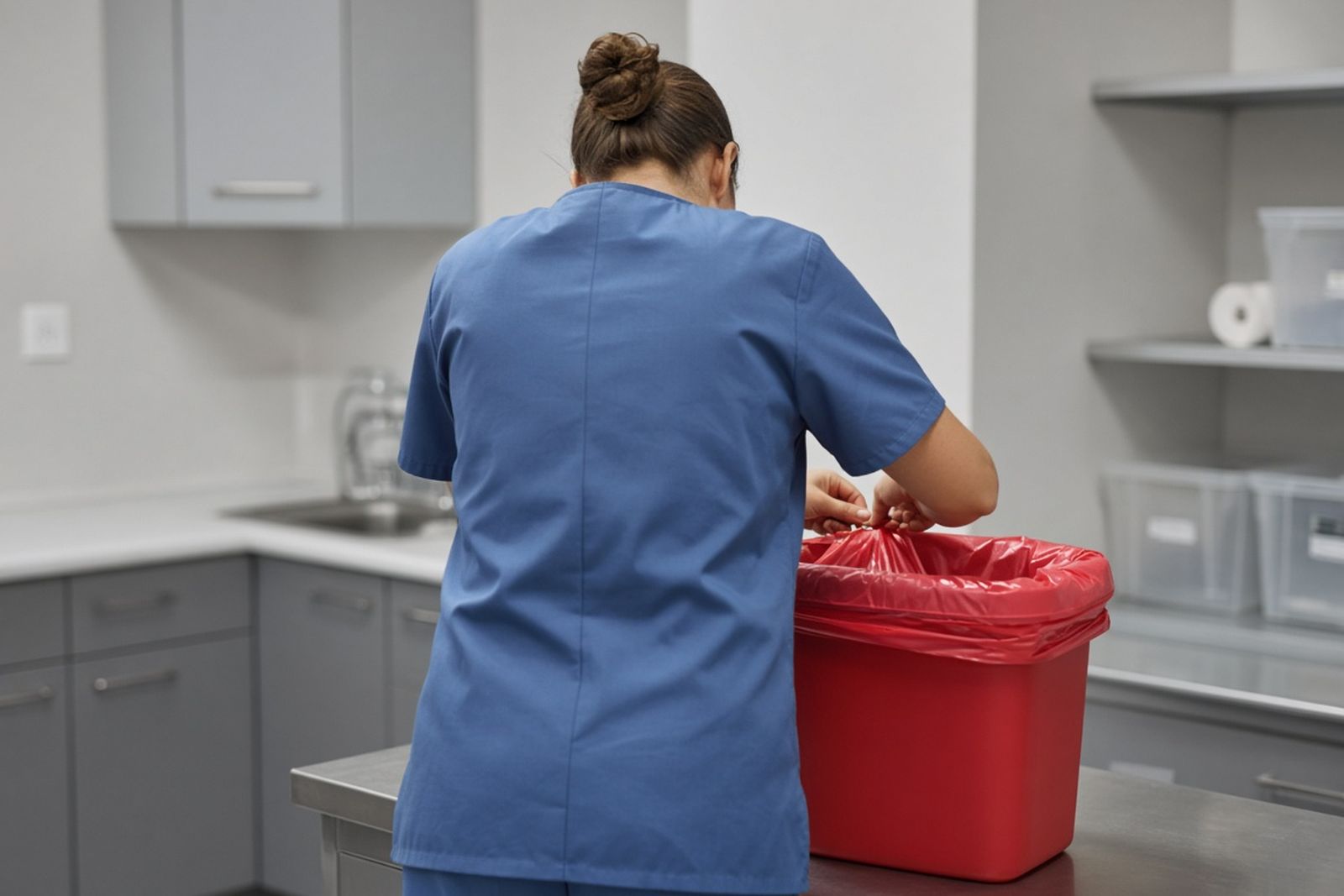
Biohazard Waste Transport services
See how medical waste hauling works, from packing and shipping records to permitted treatment, before you sign with a hauler.
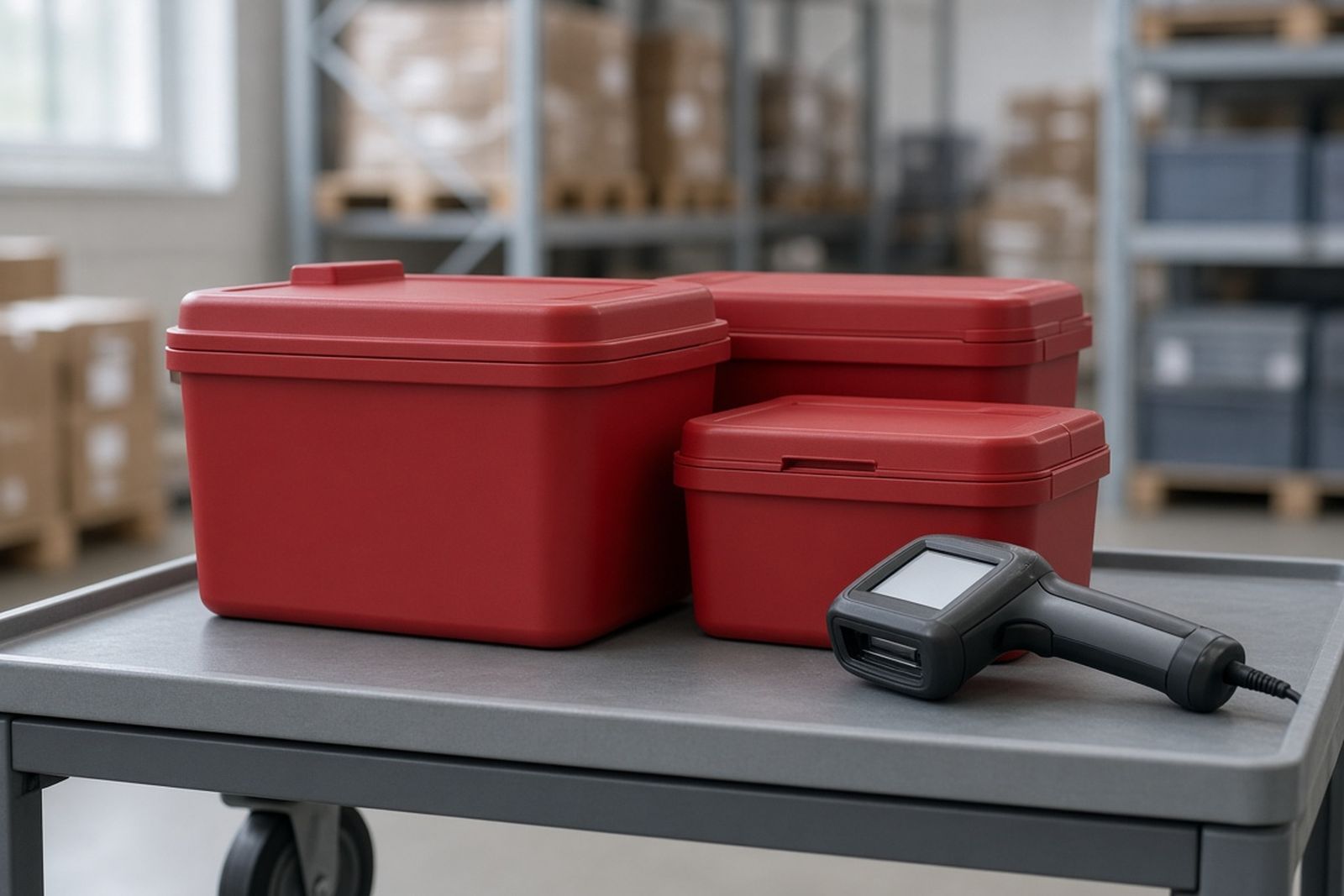
Costs explained
What drives the price, published cost ranges, and how to read a written quote line by line.
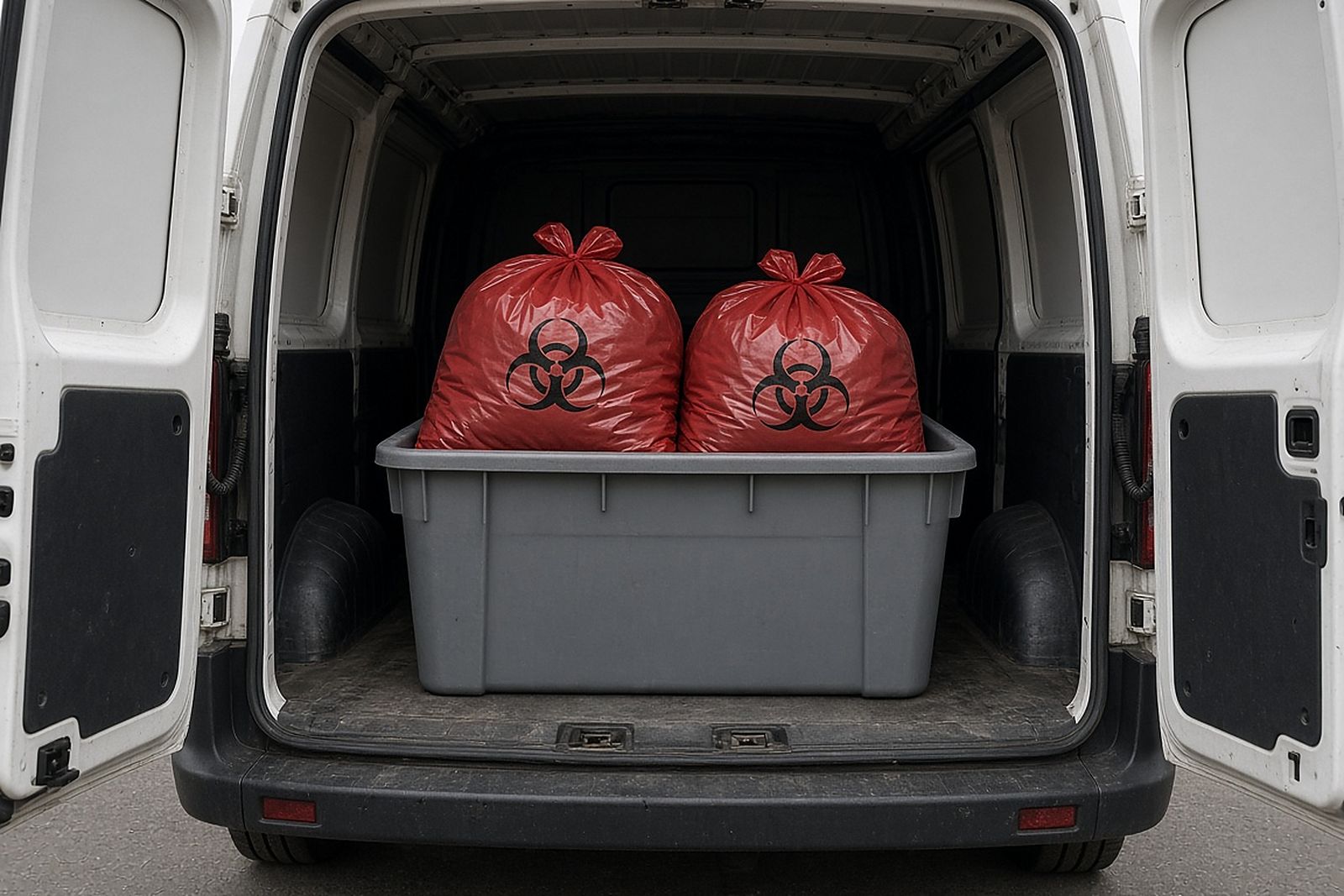
Insurance and payment
Which policies may respond, how to document a claim, and what to do if coverage is denied.
Planning tools
Use planners to estimate pickup costs, check haulers, sort waste, and organize records for your medical waste program before you commit.
Community polls
See how other clinics, studios, labs, and property owners handle pickup schedules, paperwork, and hauler choices. See where opinions differ from the written rules.
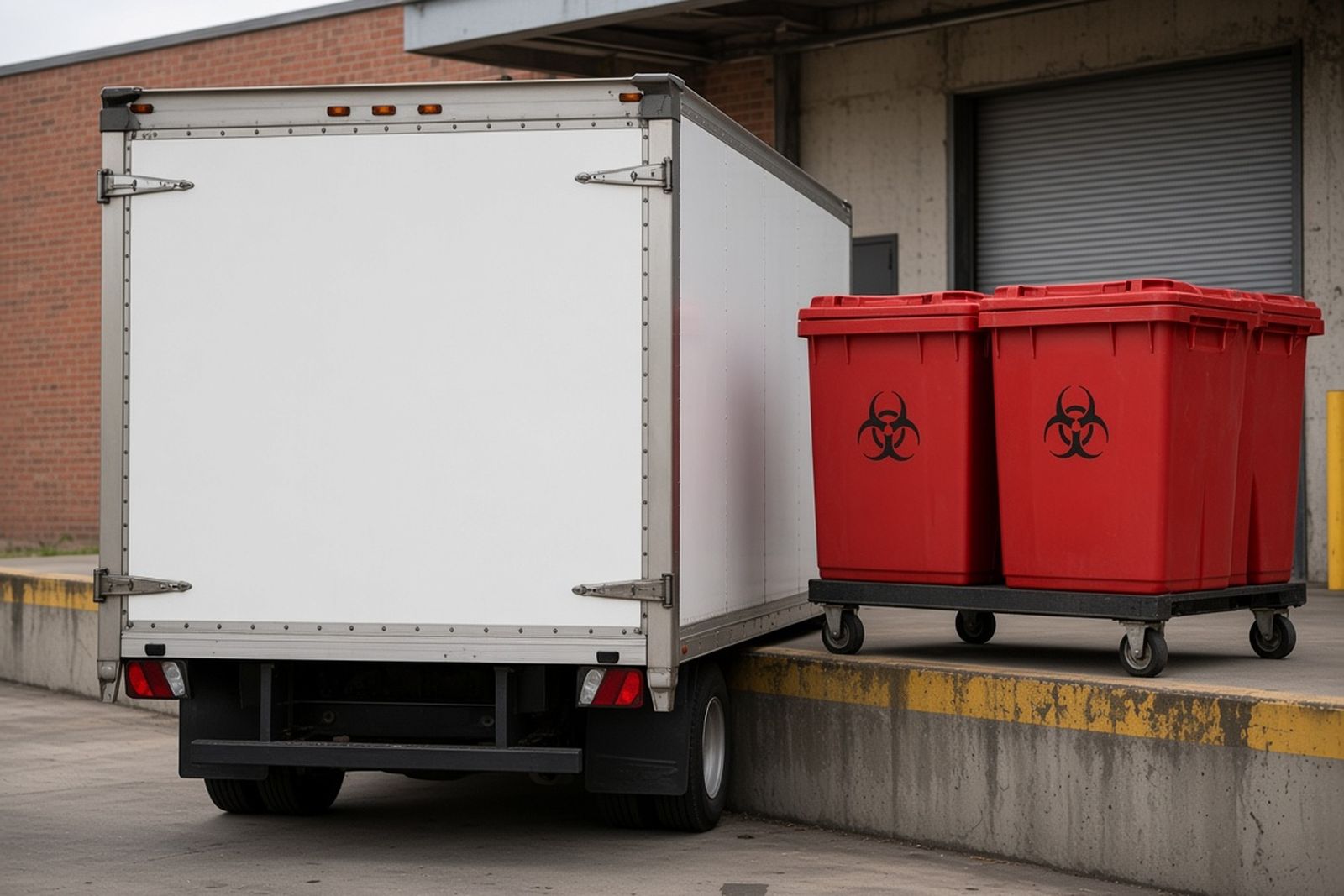
Knowledge quiz
Test what you know about who is responsible, container rules, shipping records, and proof of treatment. Then review the study guide for anything you missed.